
SproutSmart
SproutSmart™ Intelligent Garden Sowing

Jewel Mix

Family: Tropaeolaceae Flower / Herb

Planting Schedule

Provide your location or planting zone to unlock dates and add Jewel Mix to a garden.

A jewel-bright cascade of blooms and tender leaves, Jewel Mix bursts with peppery, garden-fresh flavor that feels vivid and alive.

Expect a lively mix of colors—sunlit oranges, warm reds, and creamy yellows—paired with crisp, succulent texture that holds its snap from garden to bowl. Grow it for striking edible flowers and flavorful foliage in salads, garnishes, and quick pickling, or let the trailing plants spill over containers and beds for nonstop color.

Light: Full SunMaturity: 45 DaysHabit: Spreading
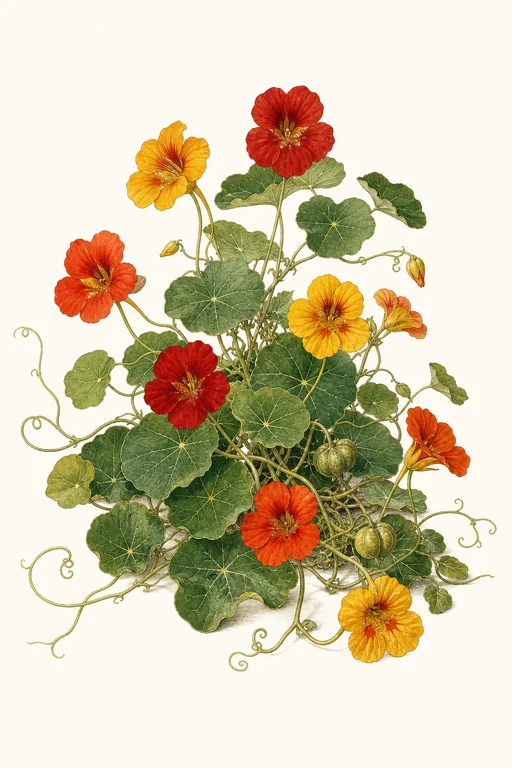
Botanical illustration of Jewel Mix

Location not set yet

Location not set yet

Enter your ZIP for local crop dates

Jewel Mix Planting Dates by USDA Zone

Estimated US hardiness-zone windows for sow, transplant, and harvest. Enter a US ZIP above for exact local dates, or open a zone below.

Zone Start Indoors Sow / Transplant Harvest
Zone 1a Protected Environment Only
Zone 1b Direct Sow Jun 1st Jul 16th – Aug 1st
Zone 2a Direct Sow May 25th Jul 9th – Aug 29th
Zone 2b Direct Sow May 15th Jun 29th – Aug 25th
Zone 3a Direct Sow May 15th Jun 29th – Sep 1st
Zone 3b Direct Sow May 19th Jul 3rd – Sep 21st
Zone 4a Direct Sow May 15th Jun 29th – Sep 24th
Zone 4b Direct Sow May 13th Jun 27th – Sep 27th
Zone 5a Direct Sow May 8th Jun 22nd – Sep 30th
Zone 5b Direct Sow May 4th Jun 18th – Oct 5th
Zone 6a Direct Sow May 1st Jun 15th – Oct 10th
Zone 6b Direct Sow Apr 25th Jun 9th – Oct 16th
Zone 7a Direct Sow Apr 20th Jun 4th – Oct 20th
Zone 7b Direct Sow Apr 10th May 25th – Oct 28th
Zone 8a Direct Sow Apr 1st May 16th – Nov 5th
Zone 8b Direct Sow Mar 23rd May 7th – Nov 12th
Zone 9a Direct Sow Mar 6th Apr 20th – Nov 26th
Zone 9b Direct Sow Feb 9th Mar 26th – Dec 9th
Zone 10a Continuous Production
Zone 10b Continuous Production
Zone 11a Continuous Production
Zone 11b Continuous Production
Zone 12a Continuous Production
Zone 12b Continuous Production
Zone 13a Continuous Production
Zone 13b Continuous Production

Crop Details

TraitValue
Days to Maturity45
Sun RequirementsFull SunFull sun
Growth HabitSpreading
Support NeededTrellis
Planting DepthSurface
Germination Temp (°F)70
Min Soil Temp (°F)50
Min Night Temp (°F)40
Harden Off (days)Not Required

Culinary Notes


Chef's Note

Jewel Mix is a nasturtium built for eating: the blooms give you a spicy, floral brightness and the leaves keep a clean snap rather than collapsing into mush. Treat it like fresh pepper—add at the end or pickle briefly—so its heat stays vivid and the garnish doesn’t go dull.

Best Uses

  • scatter as a peppery confetti over fresh salads
  • float blooms and leaves on chilled plates with citrus vinaigrettes
  • quick-pickle the flower buds for punchy, crunchy garnish
  • use the leaves as a substitute for peppery greens in warm egg scrambles

Flavor Profile

peppery, watercress-like bite sweet floral aroma crisp, juicy leaf snap tender bloom petals with a mild heat finish

Kitchen Pairings

lemon olive oil goat cheese soft cheeses like ricotta hard cheeses like parmesan eggs

Frequently Asked Questions


What pest or disease most commonly affects Tropaeolum majus (Jewel Mix), and how can I treat it?
Nasturtiums (Tropaeolum majus) are prone to aphids, which cluster on new growth and can distort leaves and buds. Spray aphids off with a strong jet of water, then repeat every 2–3 days for a week; if pressure is heavy, use insecticidal soap according to the label and target the undersides of leaves. Avoid overhead watering to reduce leaf spotting and keep air moving around plants.
How often should I water Tropaeolum majus during peak growth?
During active flowering and leaf growth, keep soil evenly moist but not soggy—water when the top 1 inch of soil feels dry. Aim for deep watering that wets the root zone, then let excess drain; consistently wet soil encourages stem rot in nasturtiums.
How do I know when Tropaeolum majus (Jewel Mix) is ready to harvest?
You can start harvesting around day 45, but pick as soon as flowers are fully open for best color and flavor. Harvest leaves and young stems after plants are well established (typically once they have several true leaves), before they turn tougher. For seed harvest, wait until the seeds develop and the pods dry on the plant.