
Kalura
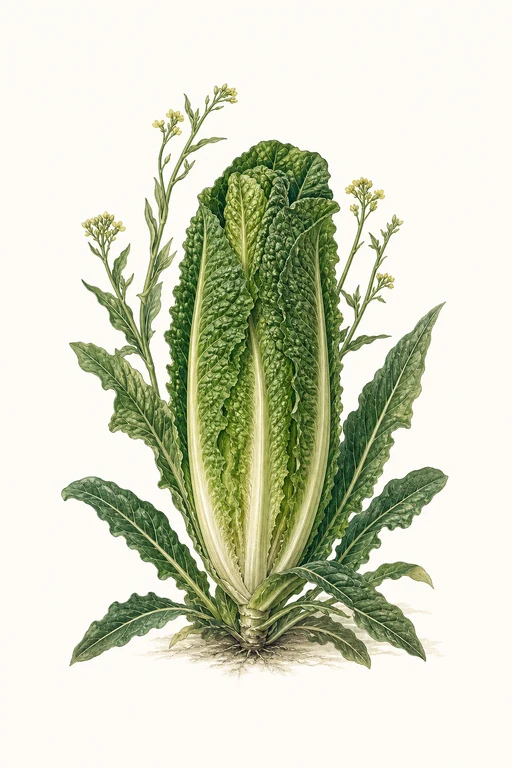
Crisp as morning air, Kalura romaine forms tall, elegant heads with a cool, refreshing crunch and a gently sweet, green-forward flavor.
The leaves are satisfyingly sturdy—deeply ribbed and beautifully textured—holding their shape for standout salads and vibrant garnishes. Grow Kalura for a dependable 60-day harvest that rewards with clean, upright heads and a fresh, garden-bright bite.
Light: Part SunMaturity: 60 DaysHabit: Rosette
Crop Dates : 3a
| Milestone | Date |
|---|---|
| Start Indoors | Apr 24th |
| Last Frost | May 15th |
| Transplant / Sow Outdoors | May 15th |
| Harvest Begins | Jul 14th |
| Harvest Ends | Sep 1st |
Crop Details
| Trait | Value |
|---|---|
| Days to Maturity | 60 |
| Sun Requirements | Part Sun |
| Growth Habit | Rosette |
| Support Needed | None |
| Planting Depth | Normal |
| Germination Temp (°F) | 40 |
| Min Soil Temp (°F) | 40 |
| Min Night Temp (°F) | 35 |
| Harden Off (days) | 6 |
Culinary Notes

Chef's Note
Kalura’s tall, deeply ribbed leaves bring a cool, green sweetness and a stubborn crunch—exactly the kind of romaine that won’t turn limp under a slick of lemony dressing. It’s the lettuce you choose when texture matters as much as taste: crisp, upright, and garden-bright through the last bite.

Best Uses
- ice-cold romaine salads where the leaves hold vinaigrette without collapsing
- grilled-chicken or steakhouse-style Caesar-style wraps (it keeps its bite)
- crisp garnish for tacos, bowls, and sandwiches where you want height and texture
- quick-shocked or briefly blanched romaine for a snappy, warm-cold contrast

Flavor Profile

Kitchen Pairings
Frequently Asked Questions
What’s the most common disease issue for Lactuca sativa (kalura) and how do I treat it?
How often should I water kalura during the main growth phase?
How can I tell when kalura (Lactuca sativa) is ready to harvest?
Sowing Tips

Transplant Conditions
Wait until soil reaches 40°F and nights stay above 35°F before moving outdoors. Harden off for 6 days first.
Expert Note

For large romaine heads, keep soil evenly moist and avoid letting plants dry out—irregular watering in warm weather can cause bitterness and early bolting.