
Kapoor Tulsi
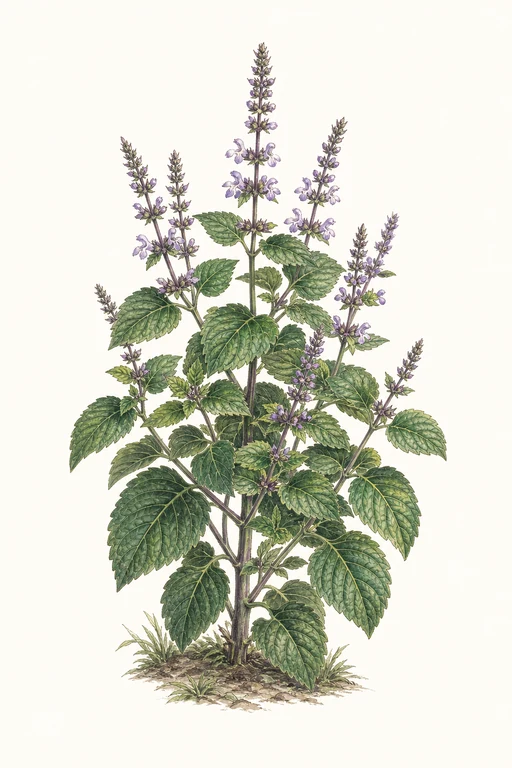
Fragrant as a warm breeze over fresh leaves, Kapoor Tulsi fills the garden with a distinctly aromatic presence—cool, minty, and softly peppered with a resinous, almost floral lift.
Leaves are tender yet substantial, forming lush, upright growth that’s ideal for gathering again and again through the season. Grow Kapoor Tulsi for its signature holy-basil character in herbal infusions and aromatic blends, where its bright, clean fragrance shines most beautifully.
Light: Full SunMaturity: 70 DaysHabit: Upright
Planting schedules and alerts are optimized for Columbus (Zone 6b).
Crop Dates
| Milestone | Date |
|---|---|
| Start Indoors | Mar 28th |
| Last Frost | Apr 25th |
| Transplant / Sow Outdoors | Jun 20th |
| Harvest Begins | Aug 29th |
| Harvest Ends | Oct 16th |
Crop Details
| Trait | Value |
|---|---|
| Days to Maturity | 70 |
| Sun Requirements | Full Sun |
| Growth Habit | Upright |
| Support Needed | None |
| Planting Depth | Normal |
| Germination Temp (°F) | 70 |
| Min Soil Temp (°F) | 60 |
| Min Night Temp (°F) | 50 |
| Harden Off (days) | 10 |
Culinary Notes

Chef's Note
Kapoor Tulsi tastes like mint put on a peppered incense burner—clean and cooling at first, then a resinous, almost floral halo follows. Use it with heat only briefly (steep, toss, blend) so the aromatic lift stays bright and doesn’t flatten into cooked herb bitterness.

Best Uses
- fresh torn-leaf topping for warm rice and lentils
- steeped infusion for fragrant tea or a light syrup
- quick-blended pesto-style sauce for tossing with pasta or gnocchi
- herb-forward chutney where it stays bright instead of turning bitter

Flavor Profile

Frequently Asked Questions
What pest or disease commonly affects Ocimum tenuiflorum (Kapoor tulsi), and what should I do?
How often should I water Kapoor tulsi during the main growing phase?
How can I tell when Kapoor tulsi is ready to harvest?
Sowing Tips

Transplant Conditions
Wait until soil reaches 60°F and nights stay above 50°F before moving outdoors. Harden off for 10 days first.
Expert Note

Start indoors for a head start, but transplant only after nights are reliably warm (cool soil slows basil), then pinch tops regularly to thicken the plant.