
Kelvedon Wonder
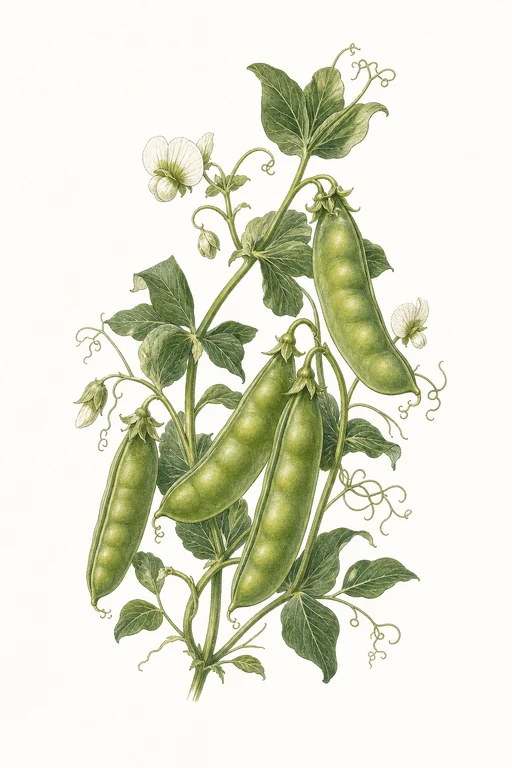
Sweet, garden-fresh peas come alive with a bright, candy-like snap—Kelvedon Wonder delivers tender, shelling-ready pods that open to reveal plump, uniformly sized peas.
The flavor is clean and sweet with a delicate, buttery richness, and the texture stays pleasantly crisp from garden to bowl. Grow it for classic shelling performance and for vibrant fresh use in springtime salads, light sautés, and spoonable sauces that celebrate true pea sweetness.
Light: Full SunMaturity: 55 DaysHabit: Upright
Location not set yet
Location not set yet
Enter your ZIP for local crop dates
Kelvedon Wonder Planting Dates by USDA Zone
Estimated US hardiness-zone windows for sow, transplant, and harvest. Enter a US ZIP above for exact local dates, or open a zone below.
| Zone | Start Indoors | Sow / Transplant | Harvest |
|---|---|---|---|
| Zone 1a | Protected Environment Only | ||
| Zone 1b | Direct Sow | Jun 1st | Jul 26th – Aug 1st |
| Zone 2a | Direct Sow | May 25th | Jul 19th – Aug 29th |
| Zone 2b | Direct Sow | May 15th | Jul 9th – Aug 25th |
| Zone 3a | Direct Sow | May 15th | Jul 9th – Sep 1st |
| Zone 3b | Direct Sow | May 19th | Jul 13th – Sep 21st |
| Zone 4a | Direct Sow | May 15th | Jul 9th – Sep 24th |
| Zone 4b | Direct Sow | May 13th | Jul 7th – Sep 27th |
| Zone 5a | Direct Sow | May 8th | Jul 2nd – Sep 30th |
| Zone 5b | Direct Sow | May 4th | Jun 28th – Oct 5th |
| Zone 6a | Direct Sow | May 1st | Jun 25th – Oct 10th |
| Zone 6b | Direct Sow | Apr 25th | Jun 19th – Oct 16th |
| Zone 7a | Direct Sow | Apr 20th | Jun 14th – Oct 20th |
| Zone 7b | Direct Sow | Apr 10th | Jun 4th – Oct 28th |
| Zone 8a | Direct Sow | Apr 1st | May 26th – Nov 5th |
| Zone 8b | Direct Sow | Mar 23rd | May 17th – Nov 12th |
| Zone 9a | Direct Sow | Mar 6th | Apr 30th – Nov 26th |
| Zone 9b | Direct Sow | Feb 9th | Apr 5th – Dec 9th |
| Zone 10a | — | Oct 1st | Nov 25th – Feb 28th |
| Zone 10b | — | Oct 1st | Nov 25th – Feb 28th |
| Zone 11a | — | Oct 1st | Nov 25th – Feb 28th |
| Zone 11b | — | Oct 1st | Nov 25th – Feb 28th |
| Zone 12a | — | Oct 1st | Nov 25th – Feb 28th |
| Zone 12b | — | Oct 1st | Nov 25th – Feb 28th |
| Zone 13a | — | Oct 1st | Nov 25th – Feb 28th |
| Zone 13b | — | Oct 1st | Nov 25th – Feb 28th |
Crop Details
| Trait | Value |
|---|---|
| Days to Maturity | 55 |
| Sun Requirements | Full Sun |
| Growth Habit | Upright |
| Support Needed | None |
| Planting Depth | Normal |
| Germination Temp (°F) | 45 |
| Min Soil Temp (°F) | 40 |
| Min Night Temp (°F) | 28 |
| Harden Off (days) | Not Required |
Culinary Notes

Chef's Note
Kelvedon Wonder’s sweet, uniformly sized peas cook fast and stay pleasantly crisp, so they reward minimal heat and maximal attention. Think butter, lemon, and a hard stop before they turn starchy—shell them and let that garden candy sweetness lead.

Best Uses
- fresh shelling and tossing into a buttered spring pasta just off the heat
- quick sauté with garlic and lemon zest (peas should stay bright and crisp)
- blanch-and-chill for a crisp salad with a creamy or citrus dressing
- light spoonable pea purée/sauce for chicken or roasted fish

Flavor Profile

Kitchen Pairings
Frequently Asked Questions
What’s the most common disease to watch for on Pisum sativum (garden peas) and how do I control it?
How often should I water Pisum sativum during the main growing phase?
How can I tell when Kelvedon Wonder peas (Pisum sativum) are ready to harvest?
Sowing Tips

Transplant Conditions
Wait until soil reaches 40°F and nights stay above 28°F before moving outdoors.
Expert Note

For Kelvedon Wonder, sow directly as soon as workable and keep soil evenly moist; its mildew resistance makes it a strong choice for late-summer/fall weather.