
Kerala Red
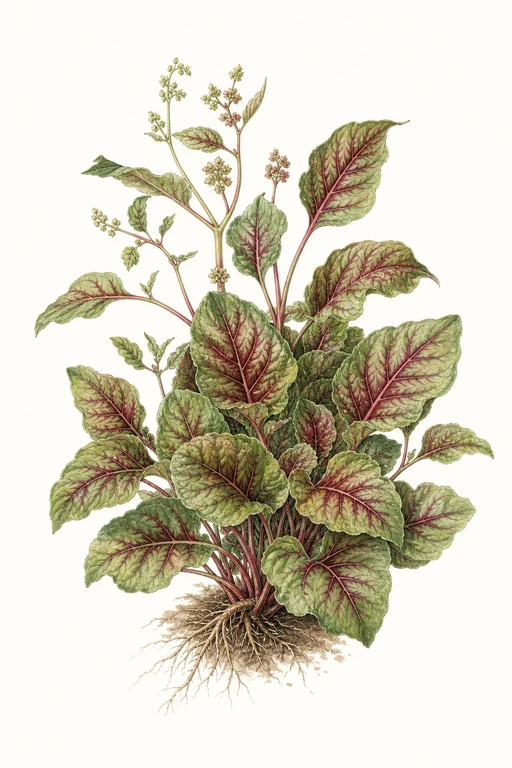
Tender, jewel-toned leaves arrive with a vivid Kerala Red blush—deep crimson veining over lush green—offering a pleasantly earthy, gently sweet flavor.
The foliage is crisp-tender and quick to mature, forming a compact, leafy stand that’s ideal for fresh harvest and for turning into vibrant, red-tinged callaloo-style dishes and silky sauces. Grow it for a fast, high-yielding splash of color that stays attractive from first snip to peak abundance.
Light: Full SunMaturity: 10 DaysHabit: Upright
Planting schedules and alerts are optimized for Columbus (Zone 6b).
Crop Dates
| Milestone | Date |
|---|---|
| Start Indoors | Direct Sow |
| Last Frost | Apr 25th |
| Transplant / Sow Outdoors | Apr 25th |
| Harvest Begins | May 5th |
| Harvest Ends | Oct 16th |
Crop Details
| Trait | Value |
|---|---|
| Days to Maturity | 10 |
| Sun Requirements | Full Sun |
| Growth Habit | Upright |
| Support Needed | None |
| Planting Depth | Normal |
| Germination Temp (°F) | 75 |
| Min Soil Temp (°F) | 50 |
| Min Night Temp (°F) | 40 |
| Harden Off (days) | Not Required |
Culinary Notes

Chef's Note
Kerala Red callaloo is all about fast, lively greens—its crisp-tender texture holds up in a quick pan, then turns silky when you braise it. The crimson veins cook down into a faint red tint, so it cooks like a leaf and tastes like earthy, gently sweet comfort with a clean, peppery edge.

Best Uses
- quick-sautéed greens with garlic and oil
- callaloo-style braise with aromatics and coconut milk
- steamed then tossed with lime and salt for a snappy side
- blended into a silky, red-tinged sauce for fish or chicken

Flavor Profile

Frequently Asked Questions
What pest or disease most commonly affects Amaranthus tricolor (Kerala Red), and what should I do?
How often should I water Amaranthus tricolor during its main growing phase, and what soil moisture level is best?
How can I tell when Kerala Red Amaranthus tricolor is ready to harvest?
Sowing Tips

Transplant Conditions
Wait until soil reaches 50°F and nights stay above 40°F before moving outdoors.
Expert Note

Because Kerala Red is extremely fast (about a 10-day micro-green harvest), you can grow it in cooler weather and avoid long indoor starts—sow/plant soon after cold-risk ends for best, crisp greens.