
King Arthur
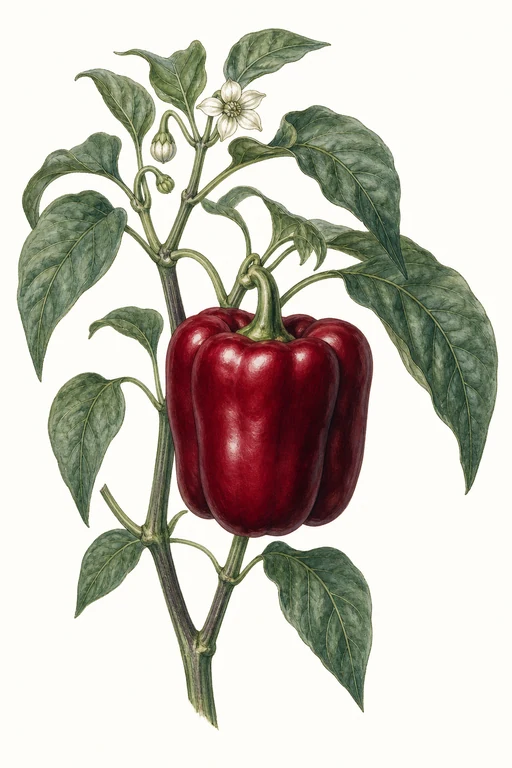
Sun-warmed and richly aromatic, King Arthur bell peppers ripen to a deep, glossy crimson that catches the light like lacquer.
The flesh is thick and crisp with a satisfying snap, offering a sweet, balanced flavor that shines whether you enjoy them fresh or let their color and character carry through sauces and roasting. Gardeners will love the steady, uniform shape and the way these peppers hold their beauty from first blush to full maturity at about 85 days.
Light: Full SunMaturity: 85 DaysHabit: Bush
Planting schedules and alerts are optimized for Columbus (Zone 6b).
Crop Dates
| Milestone | Date |
|---|---|
| Start Indoors | Feb 28th |
| Last Frost | Apr 25th |
| Transplant / Sow Outdoors | Jun 20th |
| Harvest Begins | Sep 13th |
| Harvest Ends | Oct 16th |
Crop Details
| Trait | Value |
|---|---|
| Days to Maturity | 85 |
| Sun Requirements | Full Sun |
| Growth Habit | Bush |
| Support Needed | Stake |
| Planting Depth | Normal |
| Germination Temp (°F) | 80 |
| Min Soil Temp (°F) | 60 |
| Min Night Temp (°F) | 50 |
| Harden Off (days) | 10 |
Culinary Notes

Chef's Note
King Arthur’s thick, crisp bite makes it worth buying specifically for applications where other bell peppers would go floppy—think charred slices that still snap when you take a bite. When roasted, its sweetness and lacquer-like aroma caramelize fast, so it plays especially well with garlic, olive oil, and sharp acids like balsamic.

Best Uses
- charred-and-skinned slices for burgers and sandwiches (stays snappy, doesn’t collapse)
- roasting sheet-pan halves for glossy, caramel-edge sweetness
- quick sauté strips to keep structure before they turn tender
- puree into a thick, spoonable sauce after roasting

Flavor Profile

Kitchen Pairings
Frequently Asked Questions
What pest or disease most commonly affects Capsicum annuum (King Arthur), and how do I treat it?
How often should I water King Arthur pepper while it’s actively growing (after transplant through fruit set)?
How can I tell when Capsicum annuum King Arthur is ready to harvest?
Sowing Tips

Transplant Conditions
Wait until soil reaches 60°F and nights stay above 50°F before moving outdoors. Harden off for 10 days first.
Expert Note

Start peppers early and transplant only when soil is at least 60°F and nights are consistently mild, since cold soil is a common cause of stalling.