
King Of The Early
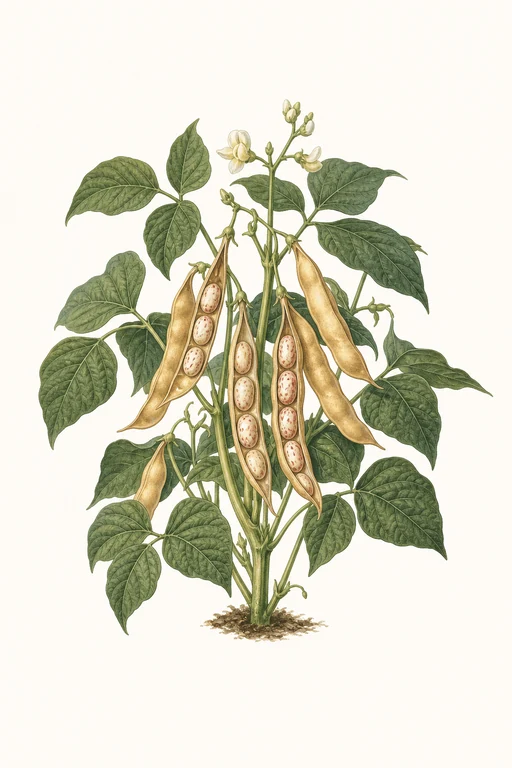
Aromatically earthy and richly satisfying, King Of The Early dry beans bring a deep, nutty flavor with a clean, steady finish.
The seeds are prized for their even, uniform size and a firm, meaty texture that holds its character beautifully from pantry to pot. Grow this heirloom for a swift 55-day harvest window—ideal for gardeners who want dependable results and a harvest that feels truly rewarding.
Light: Full SunMaturity: 55 DaysHabit: Bush
Planting schedules and alerts are optimized for Columbus (Zone 6b).
Crop Dates
| Milestone | Date |
|---|---|
| Start Indoors | Direct Sow |
| Last Frost | Apr 25th |
| Transplant / Sow Outdoors | Apr 25th |
| Harvest Begins | Jun 19th |
| Harvest Ends | Oct 16th |
Crop Details
| Trait | Value |
|---|---|
| Days to Maturity | 55 |
| Sun Requirements | Full Sun |
| Growth Habit | Bush |
| Support Needed | None |
| Planting Depth | Normal |
| Germination Temp (°F) | 75 |
| Min Soil Temp (°F) | 60 |
| Min Night Temp (°F) | 50 |
| Harden Off (days) | Not Required |
Culinary Notes

Chef's Note
King Of The Early is built for the long simmer: it develops a savory, nutty aroma while staying firm—no mushy slide—so it holds its own in thick soups and bean bakes. Use bold aromatics (onion/garlic/bay) and a little fat to round the earthiness into something deeply satisfying.

Best Uses
- thick, slow-simmered bean soups with a spoon-tender bite
- pot of beans that stay intact for grain bowls
- bean-forward cassoulet-style bakes with browned aromatics
- purées like hummus-adjacent bean spreads with a velvety body

Flavor Profile

Frequently Asked Questions
What pest or disease problem is most common on Phaseolus vulgaris (green snap beans), and how do I treat it?
How often should I water Phaseolus vulgaris during the main growing phase (from flowering through pod fill)?
How can I tell when Phaseolus vulgaris (snap beans) are ready to harvest?
Sowing Tips

Transplant Conditions
Wait until soil reaches 60°F and nights stay above 50°F before moving outdoors.
Expert Note

Direct-sow dry beans after soil warms and stay consistent with watering early to support even germination and uniform pod fill.