
SproutSmart
SproutSmart™ Intelligent Garden Sowing

Kuroda Shantane

Family: Apiaceae Root Vegetable

Planting Schedule

Provide your location or planting zone to unlock dates and add Kuroda Shantane to a garden.

Sweetly aromatic and richly colored, Kuroda Shantane carrots emerge with a deep, earthy orange that feels almost burnished in the garden.

At maturity they form sturdy, Shantane-style roots with a smooth, tapered shoulder and a crisp, fine-grained bite—ideal for turning everyday harvests into vibrant color. Grow Kuroda Shantane for roasting, fresh snacking, and bright additions to soups, stews, and silky purees, where its sweetness and tender texture shine through.

Light: Full SunMaturity: 75 DaysHabit: Taproot
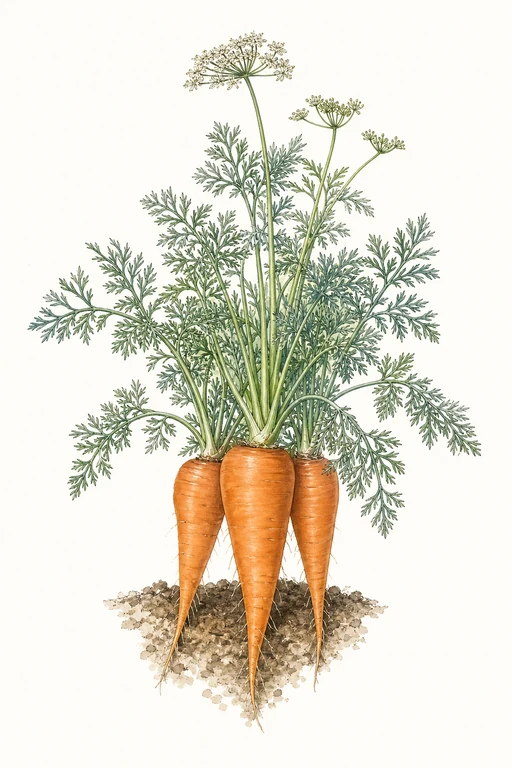
Botanical illustration of Kuroda Shantane

Location not set yet

Location not set yet

Enter your ZIP for local crop dates

Kuroda Shantane Planting Dates by USDA Zone

Estimated US hardiness-zone windows for sow, transplant, and harvest. Enter a US ZIP above for exact local dates, or open a zone below.

Zone Start Indoors Sow / Transplant Harvest
Zone 1a Protected Environment Only
Zone 1b Protected Environment Only
Zone 2a Direct Sow May 25th Aug 8th – Aug 29th
Zone 2b Direct Sow May 15th Jul 29th – Aug 25th
Zone 3a Direct Sow May 15th Jul 29th – Sep 1st
Zone 3b Direct Sow May 19th Aug 2nd – Sep 21st
Zone 4a Direct Sow May 15th Jul 29th – Sep 24th
Zone 4b Direct Sow May 13th Jul 27th – Sep 27th
Zone 5a Direct Sow May 8th Jul 22nd – Sep 30th
Zone 5b Direct Sow May 4th Jul 18th – Oct 5th
Zone 6a Direct Sow May 1st Jul 15th – Oct 10th
Zone 6b Direct Sow Apr 25th Jul 9th – Oct 16th
Zone 7a Direct Sow Apr 20th Jul 4th – Oct 20th
Zone 7b Direct Sow Apr 10th Jun 24th – Oct 28th
Zone 8a Direct Sow Apr 1st Jun 15th – Nov 5th
Zone 8b Direct Sow Mar 23rd Jun 6th – Nov 12th
Zone 9a Direct Sow Mar 6th May 20th – Nov 26th
Zone 9b Direct Sow Feb 9th Apr 25th – Dec 9th
Zone 10a — Oct 1st Dec 15th – Feb 28th
Zone 10b — Oct 1st Dec 15th – Feb 28th
Zone 11a — Oct 1st Dec 15th – Feb 28th
Zone 11b — Oct 1st Dec 15th – Feb 28th
Zone 12a — Oct 1st Dec 15th – Feb 28th
Zone 12b — Oct 1st Dec 15th – Feb 28th
Zone 13a — Oct 1st Dec 15th – Feb 28th
Zone 13b — Oct 1st Dec 15th – Feb 28th

Crop Details

TraitValue
Days to Maturity75
Sun RequirementsFull SunFull sun
Growth HabitTaproot
Support NeededNone
Planting DepthSurface
Germination Temp (°F)55
Min Soil Temp (°F)45
Min Night Temp (°F)28
Harden Off (days)Not Required

Culinary Notes


Chef's Note

Kuroda Shantane’s fine-grained crispness stays tidy for snacking, but it also collapses into a smooth, velvety purée instead of turning fluffy and grainy. Roast it hard for browning—this is where the sweetness and burnished orange really take over the plate.

Best Uses

  • roast until caramelized at the edges for maximum sweetness and color
  • slice into snack sticks or coin-cut salads for a clean crunch
  • use in soups/stews where it turns silky without going mealy
  • blend into silky carrot purée or soup for a glossy, lightly sweet base

Flavor Profile

sweetly aromatic with a carrot-root earth crisp, fine-grained bite smooth, tender core when cooked warm, slightly earthy finish

Kitchen Pairings

ginger cumin lemon butter olive oil Greek yogurt

Frequently Asked Questions


What pest or disease most commonly affects Daucus carota (carrot) and how can I prevent it?
Carrot fly (Psila rosae) is a common pest that damages roots, causing tunneling and poor growth. Use fine row cover over the beds immediately after sowing (remove only during harvest) and keep weeds low; avoid moving soil from infested areas into clean beds. If you see patches of stunted plants, lift affected roots promptly to reduce spread and re-cover remaining plants while you monitor new adult activity.
How often should I water Daucus carota during the main growing phase to keep roots from cracking or becoming woody?
During the main root-forming period, keep the top 2–3 inches of soil consistently moist, typically watering 1–2 times per week depending on heat and soil type. After the seeds emerge, water in shorter, more frequent pulses so the soil doesn’t dry out completely between irrigations—carrots often crack when they cycle from very dry to very wet. Stop deep soaking right before harvest so the roots don’t split, while still preventing the bed from drying out entirely.
How do I tell when my Kuroda Shantane carrots are ready to harvest?
Start checking around day 70–75 for shoulder diameter; Kuroda Shantane is ready when the top of the root fills out to the intended size and the surface looks firm, not shriveled. Gently pull a sample carrot—if it slides out easily and the root is fully colored to the tip, you can harvest the rest. If tops grow large while roots stay thin, leave them a bit longer but don’t wait until they become overgrown and prone to pithiness.