
Lamon
Warm, nutty-sweet flavor with a satisfyingly firm bite—Lamon dry beans develop a rich, toasty character when cooked, holding their shape beautifully.
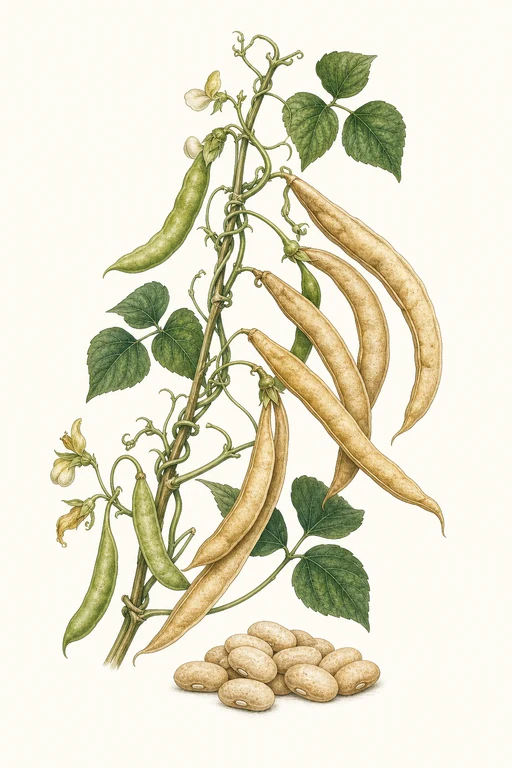
The seeds are medium-sized and elegantly uniform, with a smooth, creamy-beige surface that reads as refined even before the first simmer. Ideal for hearty pots, bean-forward soups, and thickening sauces, Lamon is a dependable garden staple for growers who love dependable harvests and robust, comforting results.
Light: Full SunMaturity: 110 DaysHabit: Bush
Planting schedules and alerts are optimized for Columbus (Zone 6b).
Crop Dates
| Milestone | Date |
|---|---|
| Start Indoors | Direct Sow |
| Last Frost | Apr 25th |
| Transplant / Sow Outdoors | Apr 25th |
| Harvest Begins | Aug 13th |
| Harvest Ends | Oct 16th |
Crop Details
| Trait | Value |
|---|---|
| Days to Maturity | 110 |
| Sun Requirements | Full Sun |
| Growth Habit | Bush |
| Support Needed | None |
| Planting Depth | Normal |
| Germination Temp (°F) | 70 |
| Min Soil Temp (°F) | 60 |
| Min Night Temp (°F) | 50 |
| Harden Off (days) | Not Required |
Culinary Notes

Chef's Note
Lamon cooks up with a steadfast, meaty bite and a toasty, nutty flavor that doesn’t turn mushy—exactly what you want in soups and braises where texture matters. Use it with aromatics and a hit of acid at the end so the beans taste warm and defined instead of flat.

Best Uses
- bean-forward soups where the beans stay intact
- chili or braises that need structure and hearty mouthfeel
- thickening a creamy bean purée for dips and spreads
- toasted-in-fat bean salad or warm grain bowls

Flavor Profile

Frequently Asked Questions
What pest or disease most often affects Phaseolus vulgaris (beans like Lamon/borlotto type), and what should I do?
How often should I water Phaseolus vulgaris during the main growing phase (pods developing)?
How can I tell when Lamon (Phaseolus vulgaris) is ready to harvest?
Sowing Tips

Transplant Conditions
Wait until soil reaches 60°F and nights stay above 50°F before moving outdoors.
Expert Note

For the best flavor and creamy texture, sow dry beans after soil warms and keep them evenly moist until flowering, then let them dry down for harvest.