
Lance
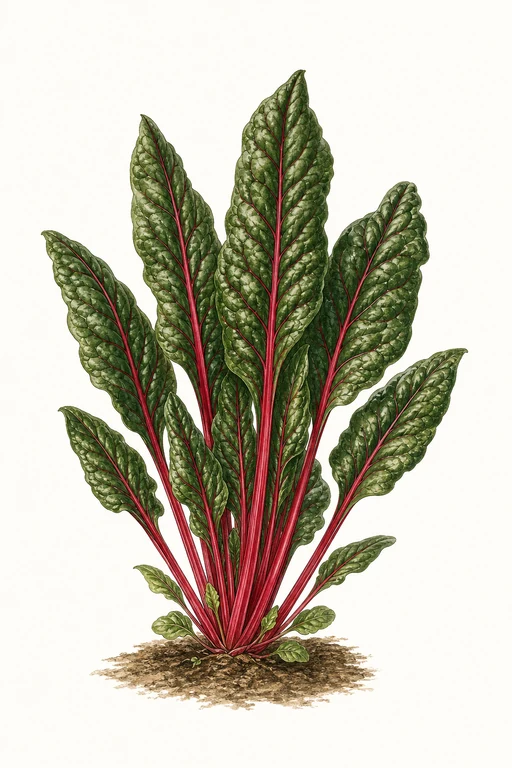
Lance Swiss chard arrives with a vivid, upright presence—tender leaves unfurling over crisp, lance-shaped ribs in a richly colored palette that stays beautifully crisp through the season.
The flavor is pleasantly sweet and clean, with a gentle mineral edge, and the texture is satisfyingly succulent from first harvest to repeat cuttings. Grow Lance for fresh salads and vibrant sautés, and for silky, color-splashed sauces that showcase its bold stems and leafy body.
Light: Full SunMaturity: 45 DaysHabit: Rosette
Planting schedules and alerts are optimized for Columbus (Zone 6b).
Crop Dates
| Milestone | Date |
|---|---|
| Start Indoors | Apr 4th |
| Last Frost | Apr 25th |
| Transplant / Sow Outdoors | Apr 25th |
| Harvest Begins | Jun 9th |
| Harvest Ends | Oct 16th |
Crop Details
| Trait | Value |
|---|---|
| Days to Maturity | 45 |
| Sun Requirements | Full Sun |
| Growth Habit | Rosette |
| Support Needed | None |
| Planting Depth | Normal |
| Germination Temp (°F) | 70 |
| Min Soil Temp (°F) | 40 |
| Min Night Temp (°F) | 30 |
| Harden Off (days) | 6 |
Culinary Notes

Chef's Note
Lance Swiss chard’s sweet-but-mineral profile and crisp rib structure make it a standout when you treat it like more than just greens—quick heat, minimal drowning, and let the stalks hold their bite. Blend the stalks and leaves for a sauce that turns intensely colored and silky without going muddy.

Best Uses
- fast sauté where ribs and leaves keep distinct textures
- silky blended sauces for pasta—stems for color, leaves for body
- warm salads served tepid so it stays crisp and glossy
- quick braise with citrus to tame minerals and sweeten

Flavor Profile

Kitchen Pairings
Frequently Asked Questions
What pest or disease most commonly affects Swiss chard (Beta vulgaris var. cicla), and how can I control it?
How often should I water Swiss chard during the main growing phase, and what soil moisture level should I aim for?
How do I tell when Swiss chard (Beta vulgaris var. cicla) is ready to harvest?
Sowing Tips

Transplant Conditions
Wait until soil reaches 40°F and nights stay above 30°F before moving outdoors. Harden off for 6 days first.
Expert Note

For the mildest flavor, keep soil evenly moist and harvest outer leaves regularly to prevent bolting in warm weather.