
Lancelot
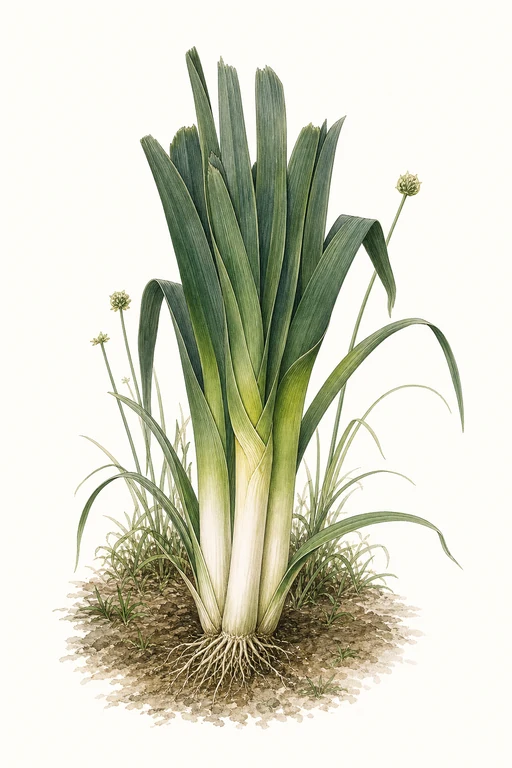
Sweet, mellow, and quietly luxurious—Lancelot leeks develop a tender, creamy interior wrapped in deep green, upright form.
At maturity, the stalks are notably thick with a fine, silky texture that holds its character beautifully for steaming, roasting, and rich soups and sauces. Plant for long, elegant harvests: Lancelot’s balanced flavor shines whether you enjoy it fresh in salads or transform it into comforting, savory dishes.
Light: Full SunMaturity: 110 DaysHabit: Upright
Location not set yet
Location not set yet
Enter your ZIP for local crop dates
Lancelot Planting Dates by USDA Zone
Estimated US hardiness-zone windows for sow, transplant, and harvest. Enter a US ZIP above for exact local dates, or open a zone below.
| Zone | Start Indoors | Sow / Transplant | Harvest |
|---|---|---|---|
| Zone 1a | Protected Environment Only | ||
| Zone 1b | Protected Environment Only | ||
| Zone 2a | Protected Environment Only | ||
| Zone 2b | Protected Environment Only | ||
| Zone 3a | Protected Environment Only | ||
| Zone 3b | Mar 10th | May 5th | Aug 23rd – Sep 21st |
| Zone 4a | Mar 6th | May 1st | Aug 19th – Sep 24th |
| Zone 4b | Mar 4th | Apr 29th | Aug 17th – Sep 27th |
| Zone 5a | Feb 27th | Apr 24th | Aug 12th – Sep 30th |
| Zone 5b | Feb 23rd | Apr 20th | Aug 8th – Oct 5th |
| Zone 6a | Feb 20th | Apr 17th | Aug 5th – Oct 10th |
| Zone 6b | Feb 14th | Apr 11th | Jul 30th – Oct 16th |
| Zone 7a | Feb 9th | Apr 6th | Jul 25th – Oct 20th |
| Zone 7b | Jan 30th | Mar 27th | Jul 15th – Oct 28th |
| Zone 8a | Jan 21st | Mar 18th | Jul 6th – Nov 5th |
| Zone 8b | Jan 12th | Mar 9th | Jun 27th – Nov 12th |
| Zone 9a | Dec 26th | Feb 20th | Jun 10th – Nov 26th |
| Zone 9b | Dec 1st | Jan 26th | May 16th – Dec 9th |
| Zone 10a | — | Oct 1st | Jan 19th – Feb 28th |
| Zone 10b | — | Oct 1st | Jan 19th – Feb 28th |
| Zone 11a | — | Oct 1st | Jan 19th – Feb 28th |
| Zone 11b | — | Oct 1st | Jan 19th – Feb 28th |
| Zone 12a | — | Oct 1st | Jan 19th – Feb 28th |
| Zone 12b | — | Oct 1st | Jan 19th – Feb 28th |
| Zone 13a | — | Oct 1st | Jan 19th – Feb 28th |
| Zone 13b | — | Oct 1st | Jan 19th – Feb 28th |
Crop Details
| Trait | Value |
|---|---|
| Days to Maturity | 110 |
| Sun Requirements | Full Sun |
| Growth Habit | Upright |
| Support Needed | None |
| Planting Depth | Normal |
| Germination Temp (°F) | 70 |
| Min Soil Temp (°F) | 45 |
| Min Night Temp (°F) | 32 |
| Harden Off (days) | 7 |
Culinary Notes

Chef's Note
Lancelot leeks have the kind of mellow sweetness that rewards heat—slow cooking turns the interior creamy instead of stewing into mush. Use them when you want allium flavor that stays polished: roast or soup, then finish bright with lemon or white wine for lift.

Best Uses
- silky leek-cream soup with a smooth blend
- slow-braised leeks that melt into butter and thyme
- sheet-pan roasting for caramelized edges while staying tender
- scalded/steamed leeks finished with lemon and olive oil

Flavor Profile

Frequently Asked Questions
How do I manage rust on leeks (Allium ampeloprasum var. porrum) in my garden?
How often should I water leeks during the main growing phase?
When are leeks (Allium ampeloprasum var. porrum) ready to harvest?
Sowing Tips

Transplant Conditions
Wait until soil reaches 45°F and nights stay above 32°F before moving outdoors. Harden off for 7 days first.
Expert Note

For thick, white shanks, transplant at a young size and keep the shank covered by hilling/adding soil or mulch as it grows while spacing for airflow to reduce leaf disease.