
Latham
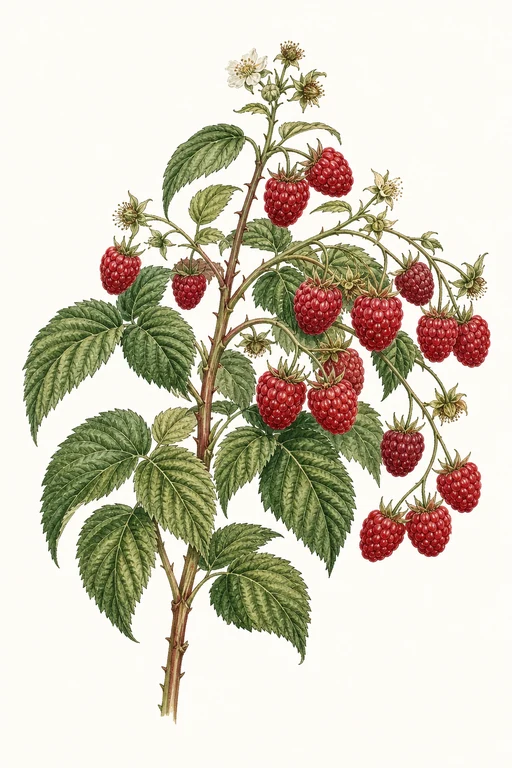
Sweetly perfumed berries of Latham arrive in a bright, jewel-toned flush—tender, medium-to-large raspberries with a classic raspberry tang and a juicy, melt-in-the-mouth texture.
Their vivid color and delicate drupe structure make them a standout for fresh enjoyment and for turning into luscious sauces, preserves, and spoonable toppings. Grow Latham for a garden that feels as rewarding as it tastes, with fruiting that feels generous from season’s early peak through the heart of summer.
Light: Full SunMaturity: 60 DaysHabit: Upright
Planting schedules and alerts are optimized for Columbus (Zone 6b).
Crop Dates
| Milestone | Date |
|---|---|
| Start Indoors | Direct Sow |
| Last Frost | Apr 25th |
| Transplant / Sow Outdoors | Apr 25th |
| Harvest Begins | Jun 24th |
| Harvest Ends | Oct 16th |
Crop Details
| Trait | Value |
|---|---|
| Days to Maturity | 60 |
| Sun Requirements | Full Sun |
| Growth Habit | Upright |
| Support Needed | None |
| Planting Depth | Normal |
| Germination Temp (°F) | 70 |
| Min Soil Temp (°F) | 40 |
| Min Night Temp (°F) | 28 |
| Harden Off (days) | 7 |
Culinary Notes

Chef's Note
Latham’s medium-large, tender drupes collapse into a juicy mouthfeel fast, so treat them gently—think fresh spoonfuls or minimal-cook sauces where the perfume and tang don’t dull. If you reduce, keep it short; you want the brightness to stay vivid, not turn jammy and heavy.

Best Uses
- fresh eating where the berries don’t have to survive heavy handling
- quick berry spoon-toppings for yogurt or pannacotta
- stirred raspberry sauce (light reduction so the tang stays up front)
- small-batch preserves or jam where the natural perfume can take the lead

Flavor Profile

Kitchen Pairings
Frequently Asked Questions
How do I manage cane blight and cane borers on Rubus idaeus (raspberry)?
How often should I water Rubus idaeus during its main growing phase?
When are Rubus idaeus ready to harvest, and how can I tell?
Sowing Tips

Transplant Conditions
Wait until soil reaches 40°F and nights stay above 28°F before moving outdoors. Harden off for 7 days first.
Expert Note

Plant canes in early spring or fall in well-drained soil, then mulch heavily to protect roots while keeping crown level with the soil.