
Lavender Hyssop
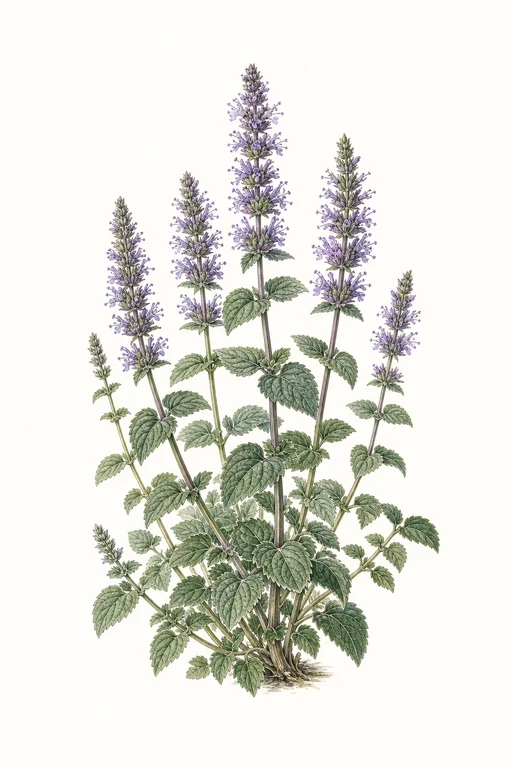
Aromatic as a summer breeze, Lavender Hyssop blooms with cool, violet-lavender spires that perfume the garden from morning through dusk.
The leaves are softly textured and pleasantly resinous, offering a fragrant, floral-herbal character that shines in bouquets, infusions, and savory blends. Grow this 90-day favorite for a long season of showy color and a steady harvest of aromatic foliage to delight the senses all summer long.
Light: Full SunMaturity: 90 DaysHabit: Upright
Planting schedules and alerts are optimized for Columbus (Zone 6b).
Crop Dates
| Milestone | Date |
|---|---|
| Start Indoors | Mar 14th |
| Last Frost | Apr 25th |
| Transplant / Sow Outdoors | Jun 20th |
| Harvest Begins | Sep 18th |
| Harvest Ends | Oct 16th |
Crop Details
| Trait | Value |
|---|---|
| Days to Maturity | 90 |
| Sun Requirements | Full Sun |
| Growth Habit | Upright |
| Support Needed | Stake |
| Planting Depth | Normal |
| Germination Temp (°F) | 70 |
| Min Soil Temp (°F) | 50 |
| Min Night Temp (°F) | 50 |
| Harden Off (days) | 7 |
Culinary Notes

Chef's Note
Lavender hyssop has that unmistakable cool, mint-family snap, but it wears it with a floral, slightly resinous edge—so go in light and let it bloom. It’s at its best where aromatics can diffuse (infusions, syrups, and warm drizzles) rather than where it’s boiled hard.

Best Uses
- steeped in hot tea or cold infusions for a violet-minty perfume
- brushed or rubbed into roasted meats and poultry rubs (use lightly)
- stirred into herb syrups or honey for late-summer cocktails and glazes
- folded into vinaigrettes and marinades where you want a fragrant, not overpowering, herbal lift

Flavor Profile

Kitchen Pairings
Frequently Asked Questions
What pest or disease is most common on Agastache foeniculum (lavender hyssop), and how can I fix it?
How often should I water Agastache foeniculum during the main growing phase?
How do I tell when Agastache foeniculum is ready to harvest?
Sowing Tips

Transplant Conditions
Wait until soil reaches 50°F and nights stay above 50°F before moving outdoors. Harden off for 7 days first.
Expert Note

Start indoors early (or sow lightly) and transplant only after nights are consistently warm for best establishment, then cut back lightly to encourage bushier growth before flowering.