
Lee
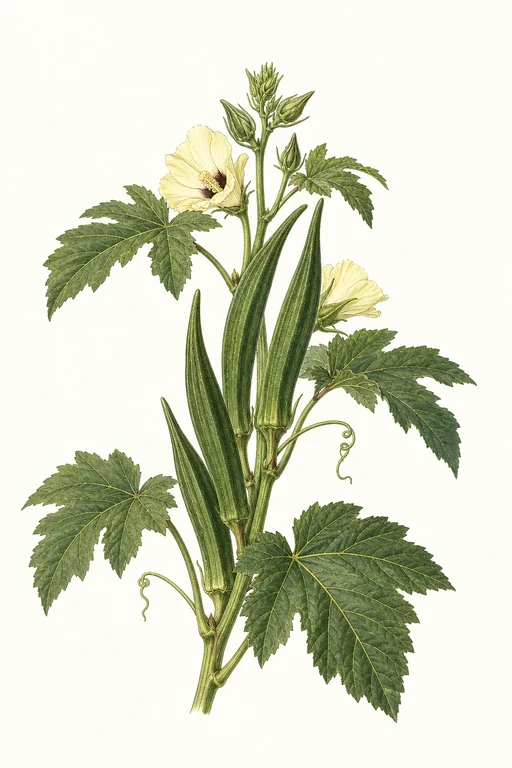
Tender pods of Lee arrive with a vivid, fresh green glow and a pleasantly crisp bite—best when harvested young for a silky, lightly sweet flavor that shines in quick sautés and vibrant sauces.
The plants are steady producers around 50 days, forming an upright, garden-friendly stand that keeps pods within easy reach. Grow Lee for dependable, spoon-tender okra that also shines in pickled relish for a bright, tangy finish.
Light: Full SunMaturity: 50 DaysHabit: Bush
Planting schedules and alerts are optimized for Columbus (Zone 6b).
Crop Dates
| Milestone | Date |
|---|---|
| Start Indoors | Direct Sow |
| Last Frost | Apr 25th |
| Transplant / Sow Outdoors | Apr 25th |
| Harvest Begins | Jun 14th |
| Harvest Ends | Oct 16th |
Crop Details
| Trait | Value |
|---|---|
| Days to Maturity | 50 |
| Sun Requirements | Full Sun |
| Growth Habit | Bush |
| Support Needed | None |
| Planting Depth | Normal |
| Germination Temp (°F) | 70 |
| Min Soil Temp (°F) | 65 |
| Min Night Temp (°F) | 55 |
| Harden Off (days) | Not Required |
Culinary Notes

Chef's Note
Lee okra is built for the bite—harvested young, it stays crisp at first contact, then turns luxuriously viscous in the pan for that silky okra glaze. It’s especially strong in quick sautés and tangy pickles, where the lightly sweet, fresh-green flavor doesn’t get lost under heavy seasoning.

Best Uses
- quick sauté with hot fat to set the outer pods without turning them to mush
- gumbo or thickened stews where the pod’s viscosity acts like a natural binder
- rapid-pickled relish for a sharp, crunchy tang
- cut-thick grill/roast for a sticky glaze with firmer centers

Flavor Profile

Frequently Asked Questions
What pest or disease commonly affects Abelmoschus esculentus (okra/lee), and how can I manage it?
How often should I water Abelmoschus esculentus during the main growing phase?
How do I know when Abelmoschus esculentus pods are ready to harvest?
Sowing Tips

Transplant Conditions
Wait until soil reaches 65°F and nights stay above 55°F before moving outdoors.
Expert Note

Sow directly into warm soil and keep moisture consistent for even pod set—bush types like Lee Dwarf produce best with minimal root disturbance.