
Lillian's Yellow Heirloom
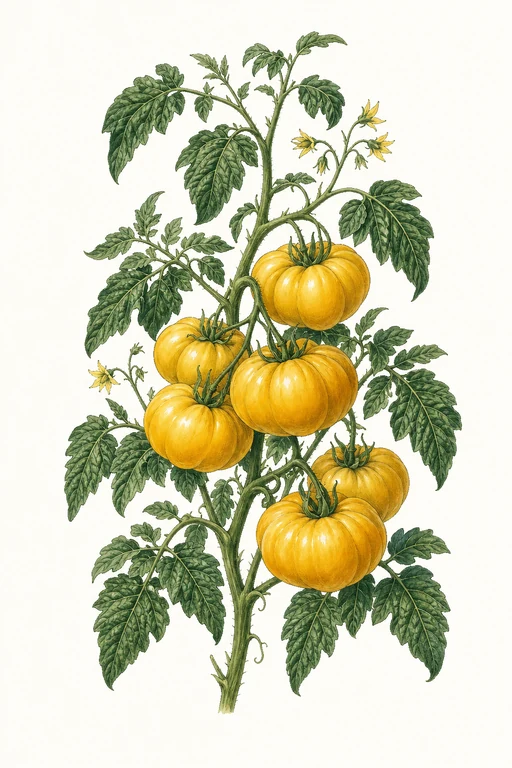
Sun-warmed and honeyed, Lillian's Yellow Heirloom tomatoes glow in the garden with a luminous golden blush that tastes richly sweet and softly tangy.
Their beefsteak-size flesh is velvety and juicy, with a tender, seed-filled interior that makes every slice feel lush and abundant. Grow for standout slicing tomatoes—ideal for fresh salads, vibrant sauces, and golden-hued preserves that showcase their heirloom character at its best.
Light: Full SunMaturity: 85 DaysHabit: Indeterminate
Crop Dates : 12a
| Milestone | Date |
|---|---|
| Climate | Frost-Free Climate |
| Growing Approach | Continuous Production |
Crop Details
| Trait | Value |
|---|---|
| Days to Maturity | 85 |
| Sun Requirements | Full Sun |
| Growth Habit | Indeterminate |
| Support Needed | Stake |
| Planting Depth | Deep |
| Germination Temp (°F) | 70 |
| Min Soil Temp (°F) | 60 |
| Min Night Temp (°F) | 50 |
| Harden Off (days) | 10 |
Culinary Notes

Chef's Note
Built for slicing: the tender seed gel turns into a silky, juicy smear instead of sloshing away, so you get that lush mouthfeel in every bite. Its honeyed sweetness loves clean fats and sharp seasoning—salt and pepper make it sing, while heat should be brief so it stays velvety rather than stewing.

Best Uses
- thick slices on sourdough with salt to draw out syrupy juices
- quick-crisp salads where the tomato stays lush but not watery
- golden pan-sauce that reduces to glossy, jammy strands
- small-batch preserves for a bright, fruit-forward toast topper

Flavor Profile

Kitchen Pairings
Frequently Asked Questions
What pest or disease is most likely to hit Solanum lycopersicum (heirloom tomato), and how do I treat it?
How often should I water Solanum lycopersicum during peak growth/fruiting, and what soil moisture target should I aim for?
How can I tell when my Solanum lycopersicum tomatoes (about 85 days) are ready to harvest?
Sowing Tips

Transplant Conditions
Wait until soil reaches 60°F and nights stay above 50°F before moving outdoors. Harden off for 10 days first.
Expert Note

Start indoors early enough for sturdy transplants, then wait to transplant until soil is truly warm (60°F+) to prevent stunting in beefsteak types.