
Lime Chard
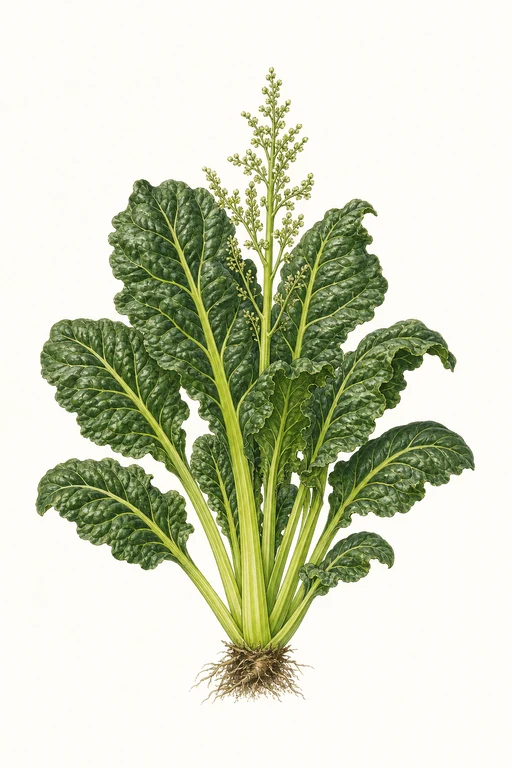
Lime Chard arrives with a luminous, chartreuse glow—crisp stems and tender leaves that feel bright and succulent in the garden.
At maturity in about 55 days, the foliage forms a tidy rosette with a refreshing, gently sweet flavor and a pleasantly snappy texture, ideal for vibrant sautés, quick skillet dishes, and silky sauces. Its rainbow-market presence shines through as the lime-green ribs hold their color beautifully, making every bowl look freshly harvested even when reheated.
Light: Part SunMaturity: 55 DaysHabit: Rosette
Planting schedules and alerts are optimized for Columbus (Zone 6b).
Crop Dates
| Milestone | Date |
|---|---|
| Start Indoors | Direct Sow |
| Last Frost | Apr 25th |
| Transplant / Sow Outdoors | Apr 25th |
| Harvest Begins | Jun 19th |
| Harvest Ends | Oct 16th |
Crop Details
| Trait | Value |
|---|---|
| Days to Maturity | 55 |
| Sun Requirements | Part Sun |
| Growth Habit | Rosette |
| Support Needed | None |
| Planting Depth | Normal |
| Germination Temp (°F) | 85 |
| Min Soil Temp (°F) | 40 |
| Min Night Temp (°F) | 35 |
| Harden Off (days) | 5 |
Culinary Notes

Chef's Note
Lime Chard’s lime-green ribs bring color and a crisp, juicy bite that doesn’t collapse the way many greens do under heat. Cook fast with fat and acid—its gentle sweetness and bright tang really show, especially in a glossy sauté or a quick emulsion sauce.

Best Uses
- flash-sauté in a hot pan until stems are crisp-tender and leaves stay glossy
- stem-forward skillet—slice ribs and braise briefly for a succulent bite
- silky blended sauce or pasta toss where the chartreuse ribs color the emulsion
- use as a vibrant base for warm grain bowls; holds dressing without going limp too fast

Flavor Profile

Kitchen Pairings
Frequently Asked Questions
What’s a common disease problem for Swiss chard (Beta vulgaris var. cicla) and how do I manage it?
How often should I water lime chard during the main growing phase to keep it tender?
How can I tell when lime chard is ready to harvest?
Sowing Tips

Transplant Conditions
Wait until soil reaches 40°F and nights stay above 35°F before moving outdoors. Harden off for 5 days first.
Expert Note

Sow where it will get steady moisture and cool temps—chard is best for harvests in spring and again in fall when days shorten.