
Lingua Di Fuoco 1
Roast-warm and boldly aromatic, Lingua Di Fuoco 1 dry beans bring a deep, savory richness with a pleasantly firm bite that holds its shape beautifully.
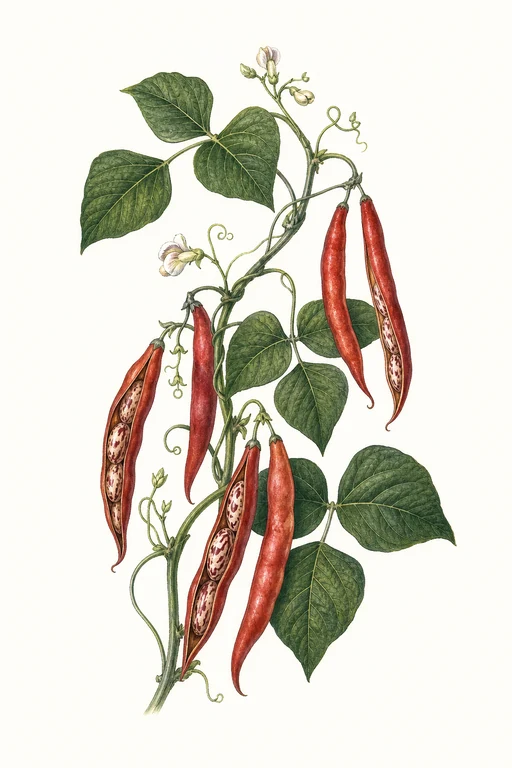
Their slender, fire-kissed pods yield beans prized for hearty, slow-simmered flavor—ideal for crafting robust potfuls, thickening bean-forward sauces, and turning into satisfying spreads. For the home gardener, this is a warm-season favorite that rewards patience with dependable harvests and a distinctly satisfying texture.
Light: Full SunMaturity: 90 DaysHabit: Bush
Planting schedules and alerts are optimized for Columbus (Zone 6b).
Crop Dates
| Milestone | Date |
|---|---|
| Start Indoors | Direct Sow |
| Last Frost | Apr 25th |
| Transplant / Sow Outdoors | Apr 25th |
| Harvest Begins | Jul 24th |
| Harvest Ends | Oct 16th |
Crop Details
| Trait | Value |
|---|---|
| Days to Maturity | 90 |
| Sun Requirements | Full Sun |
| Growth Habit | Bush |
| Support Needed | None |
| Planting Depth | Normal |
| Germination Temp (°F) | 70 |
| Min Soil Temp (°F) | 60 |
| Min Night Temp (°F) | 55 |
| Harden Off (days) | Not Required |
Culinary Notes

Chef's Note
Built for the slow burn: these beans keep a firm, intact bite while their starch turns broths and sauces viscous instead of watery. Roast-warm aromatics make them shine with smoky, acidic partners—so your pot keeps tasting alive after hours on the stove.

Best Uses
- long simmered bean soups and braises where you want the beans to stay intact
- thick, bean-forward sauces that need body and grip
- purees and spreads where the firm texture becomes a creamy mash with little added fat
- all-day chili and ragù-style pot meals that benefit from hearty, slow flavor build

Flavor Profile

Frequently Asked Questions
What pest or disease most commonly affects Phaseolus vulgaris (bean) and how can I treat it at home?
How often should I water Phaseolus vulgaris during the main growing phase?
How do I know when Lingua Di Fuoco Phaseolus vulgaris is ready to harvest?
Sowing Tips

Transplant Conditions
Wait until soil reaches 60°F and nights stay above 55°F before moving outdoors.
Expert Note

Direct-sow dry beans only after soil is reliably warm, and keep seedbeds evenly moist until emergence—then shift to lighter watering to prevent rots.