
Lingua Di Fuoco 2
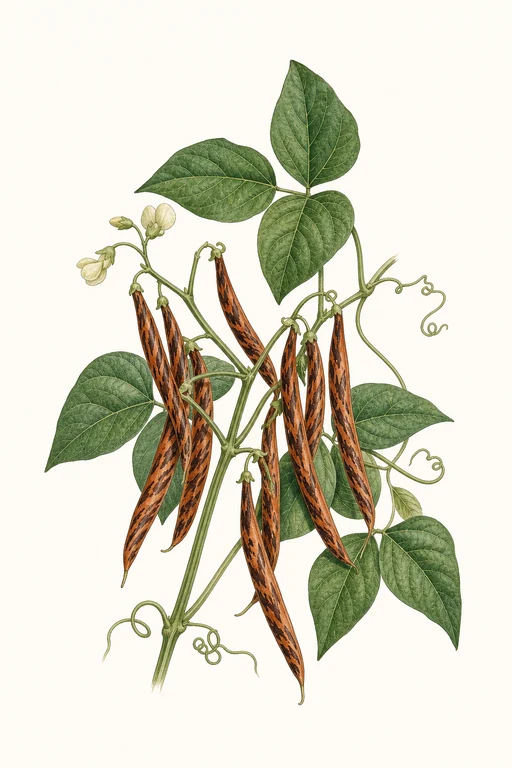
Roasted aromas and a deep, savory bean flavor begin with Lingua Di Fuoco 2’s striking, flame-kissed pods and richly colored dry beans.
Expect a firm, satisfying bite with a smooth, creamy tenderness when rehydrated—ideal for hearty pots and bold, spice-forward preparations. A warm-season favorite for gardeners who love dependable 90-day performance and visually dramatic harvests.
Light: Full SunMaturity: 90 DaysHabit: Bush
Planting schedules and alerts are optimized for Columbus (Zone 6b).
Crop Dates
| Milestone | Date |
|---|---|
| Start Indoors | Direct Sow |
| Last Frost | Apr 25th |
| Transplant / Sow Outdoors | Apr 25th |
| Harvest Begins | Jul 24th |
| Harvest Ends | Oct 16th |
Crop Details
| Trait | Value |
|---|---|
| Days to Maturity | 90 |
| Sun Requirements | Full Sun |
| Growth Habit | Bush |
| Support Needed | None |
| Planting Depth | Normal |
| Germination Temp (°F) | 70 |
| Min Soil Temp (°F) | 60 |
| Min Night Temp (°F) | 50 |
| Harden Off (days) | Not Required |
Culinary Notes

Chef's Note
Lingua Di Fuoco 2 rehydrates into a bean that stays pleasantly firm before turning silky, which is exactly what you want for chili and hearty bean soups. The roasty, savory character loves heat—so lean into smoke and cumin and let the pods’ flame-kissed vibe show up in every spoonful.

Best Uses
- soak-and-simmer beans for a thick, spoon-coating pot
- chili where the bean holds shape and adds creamy pull
- roasted/blackened bean mash for tacos or bowls
- slow-cooked bean soup thickened by partial breakdown

Flavor Profile

Frequently Asked Questions
What pests or diseases commonly affect Phaseolus vulgaris (dry/shelling bean) and what should I do?
How often should I water Phaseolus vulgaris during the main growing phase?
How can I tell when Phaseolus vulgaris is ready to harvest?
Sowing Tips

Transplant Conditions
Wait until soil reaches 60°F and nights stay above 50°F before moving outdoors.
Expert Note

Direct-sow dry beans after soil warms—keep it consistently warm to reduce stand loss and promote even emergence.