
Lingua Di Fuoco Nano
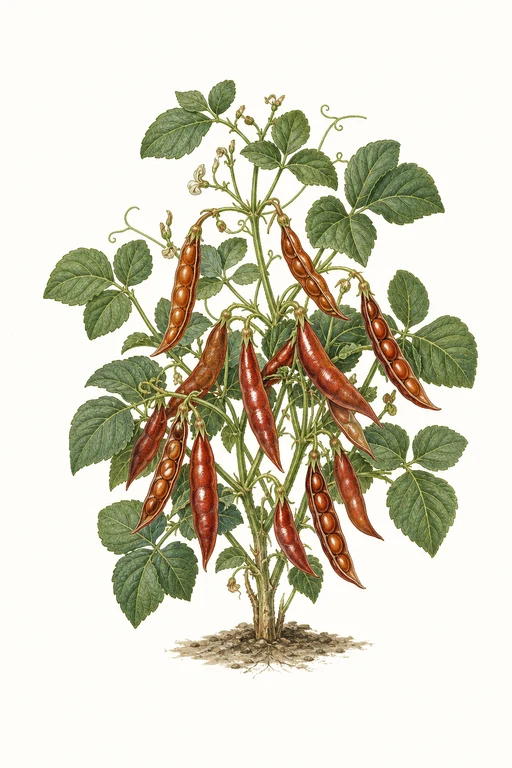
Savory-sweet aroma meets a bold, fire-kissed finish with Lingua Di Fuoco Nano dry beans—each small pod holds beans that cook up rich and hearty with a deeply satisfying, earthy depth.
The bite is pleasantly firm and creamy when simmered, making these compact performers ideal for thick, spoonable bean dishes and robust sauces. Grow them for reliable, warm-season harvests and a pantry staple that brings unmistakable warmth to every pot.
Light: Full SunMaturity: 70 DaysHabit: Bush
Crop Dates : 1b
| Milestone | Date |
|---|---|
| Last Frost | Jun 1st |
| Growing Approach | Protected Environment Only |
Crop Details
| Trait | Value |
|---|---|
| Days to Maturity | 70 |
| Sun Requirements | Full Sun |
| Growth Habit | Bush |
| Support Needed | None |
| Planting Depth | Normal |
| Germination Temp (°F) | 70 |
| Min Soil Temp (°F) | 60 |
| Min Night Temp (°F) | 50 |
| Harden Off (days) | Not Required |
Culinary Notes

Chef's Note
These small dry beans aim for a hearty, spoonable texture—firm on the initial bite but creamy once fully simmered. The built-in warm, earthy character means they don’t need fuss: give them smoked fat, acid from vinegar or tomatoes, and let the pot turn into something you eat straight from the bowl.

Best Uses
- thick, spoonable braised bean bowls with a little smoky fat
- slow-simmered ragù-style bean sauce for pasta or polenta
- chunky bean soup where the beans stay intact and creamy

Flavor Profile

Frequently Asked Questions
What disease or pest commonly affects Phaseolus vulgaris (lingua di fuoco beans), and how can I manage it?
How often should I water Phaseolus vulgaris during the main growing phase (after flowering starts)?
How do I tell when Phaseolus vulgaris is ready to harvest?
Sowing Tips

Transplant Conditions
Wait until soil reaches 60°F and nights stay above 50°F before moving outdoors.
Expert Note

Direct-sow after soil warms to keep roots undisturbed, and keep soil evenly moist until emergence to improve stand density.