
Long Handle Dipper
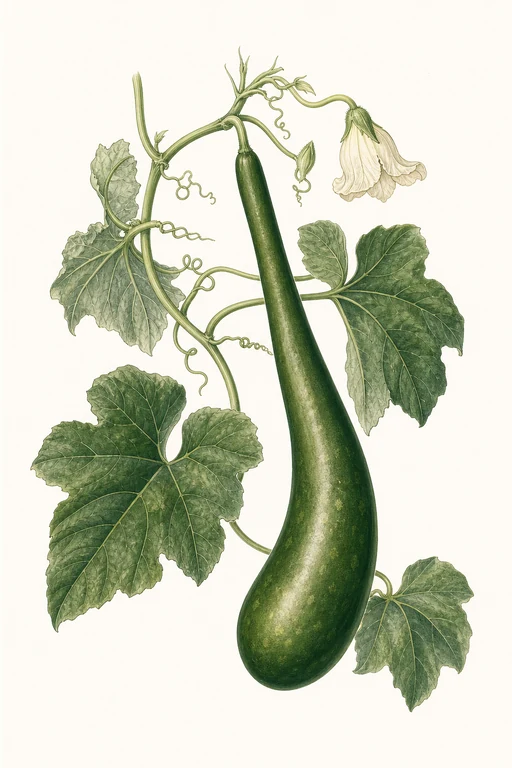
Fragrant, pale flesh with a clean, subtly sweet character—Long Handle Dipper bottle gourds mature into slender, elegant forms that feel as good as they look.
The skin ripens to a deep, bottle-green sheen with a gentle, waxy cast, while the firm interior offers a crisp, refreshing bite that holds beautifully for hearty simmered dishes and savory preserves. Grow this variety for its long, graceful silhouette and dependable season length, then enjoy its versatility from fresh uses to robust sauces and pickles.
Light: Full SunMaturity: 110 DaysHabit: Vine
Planting schedules and alerts are optimized for Columbus (Zone 6b).
Crop Dates
| Milestone | Date |
|---|---|
| Start Indoors | Apr 25th |
| Last Frost | Apr 25th |
| Transplant / Sow Outdoors | May 9th |
| Harvest Begins | Aug 27th |
| Harvest Ends | Oct 16th |
Crop Details
| Trait | Value |
|---|---|
| Days to Maturity | 110 |
| Sun Requirements | Full Sun |
| Growth Habit | Vine |
| Support Needed | Trellis |
| Planting Depth | Normal |
| Germination Temp (°F) | 80 |
| Min Soil Temp (°F) | 65 |
| Min Night Temp (°F) | 55 |
| Harden Off (days) | 12 |
Culinary Notes

Chef's Note
This bottle gourd stays crisp longer than many squashes, with a mild, gently sweet profile that doesn’t fight aromatics. It’s built for seasoning-heavy cooking—especially braises and reductions—where it absorbs flavor while keeping a clean, refreshing bite.

Best Uses
- quick stir-fries where it stays snappy
- hearty simmered dishes and braises (holds shape, not mushy)
- savory pickles that like a firm crunch
- thick, spoonable sauces after stewing and reducing

Flavor Profile

Kitchen Pairings
Frequently Asked Questions
What pest or disease most often affects Lagenaria siceraria (bottle gourd) and what should I do?
How often should I water Lagenaria siceraria during the main growing phase?
How can I tell when Lagenaria siceraria is ready to harvest for use as a long-handled dipper?
Sowing Tips

Transplant Conditions
Wait until soil reaches 65°F and nights stay above 55°F before moving outdoors. Harden off for 12 days first.

Direct Sow Preferred
Sensitive roots — does not transplant well. If starting indoors, use biodegradable pots and disturb roots as little as possible when moving outdoors.
Expert Note

For bottle gourds used for crafts, wait to harvest until the gourd rind is fully mature and dry (often after vines begin to decline), then dry thoroughly before finishing.