
Longissima
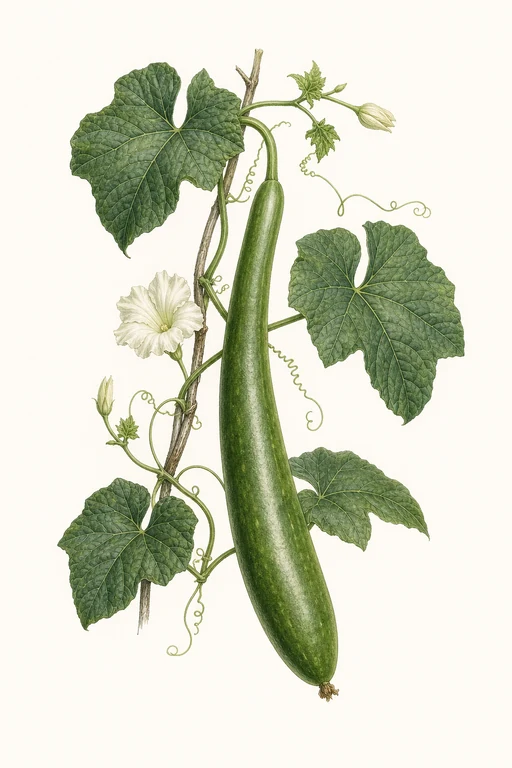
A long, elegant bottle gourd that arrives with a satin-smooth skin and a gentle, fresh flavor that feels clean and bright.
Longissima’s fruits develop a graceful, elongated silhouette and a tender, pale interior texture that’s especially prized for turning into silky, comforting preparations and for refreshing use when young. Grow it for the sheer pleasure of watching its vines lengthen and its gourds lengthen with them—an abundant, garden-filling harvest at about 65 days.
Light: Full SunMaturity: 65 DaysHabit: Vine
Planting schedules and alerts are optimized for Columbus (Zone 6b).
Crop Dates
| Milestone | Date |
|---|---|
| Start Indoors | Apr 18th |
| Last Frost | Apr 25th |
| Transplant / Sow Outdoors | May 2nd |
| Harvest Begins | Jul 6th |
| Harvest Ends | Oct 16th |
Crop Details
| Trait | Value |
|---|---|
| Days to Maturity | 65 |
| Sun Requirements | Full Sun |
| Growth Habit | Vine |
| Support Needed | Trellis |
| Planting Depth | Normal |
| Germination Temp (°F) | 75 |
| Min Soil Temp (°F) | 65 |
| Min Night Temp (°F) | 55 |
| Harden Off (days) | 10 |
Culinary Notes

Chef's Note
Longissima bottle gourd is built for gentleness: it goes from clean and crisp to satiny when it hits heat, so it doesn’t need heavy-handed seasoning—just aromatics and acid to wake it up. Use it young for refreshing crunch, or cook it down until it turns plush and spoonable.

Best Uses
- quick-sautéed rounds or sticks for a crisp-tender texture
- stewing until spoon-tender for silky, comforting bodies
- wok-frying with high-heat aromatics to keep it lively
- young, refreshing slices in vinegar-chili salads

Flavor Profile

Kitchen Pairings
Frequently Asked Questions
What pests or diseases commonly affect Lagenaria siceraria (bottle gourd) and how do I fix them?
How often should I water Lagenaria siceraria during the main growing phase?
How can I tell when to harvest Lagenaria siceraria?
Sowing Tips

Transplant Conditions
Wait until soil reaches 65°F and nights stay above 55°F before moving outdoors. Harden off for 10 days first.

Direct Sow Preferred
Sensitive roots — does not transplant well. If starting indoors, use biodegradable pots and disturb roots as little as possible when moving outdoors.
Expert Note

Warm soil is key—use black plastic or row cover until night temperatures stay reliably mild, and trellis early for straighter gourds.