
Maharaja
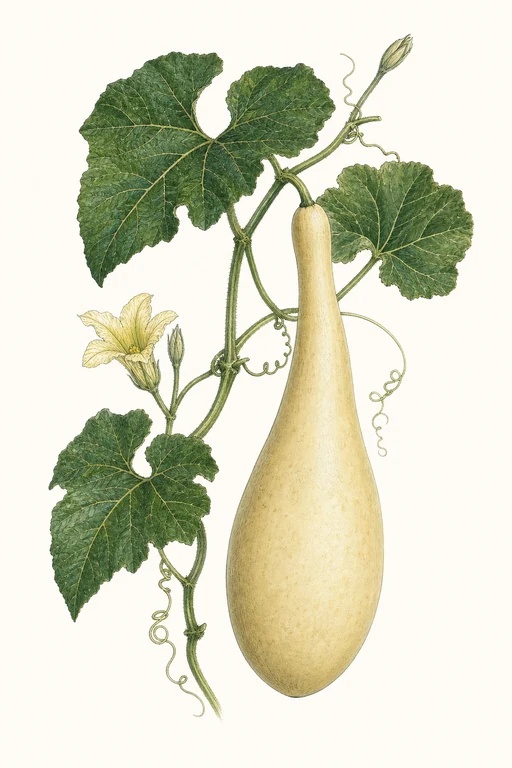
Sink your senses into Maharaja’s stately, sculptural gourds—smooth as polished ivory and ripening to a warm, mellow tone that feels almost candlelit in the garden.
The flesh is prized for its tender, fine-grained texture, offering a clean, mild flavor that shines in hearty preparations and preserves alike. Grow Maharaja for a long, satisfying season (about 110 days) and for the unmistakable presence of its mature fruit—perfect for gardeners who want both beauty and versatility from one remarkable plant.
Light: Full SunMaturity: 110 DaysHabit: Vine
Planting schedules and alerts are optimized for Columbus (Zone 6b).
Crop Dates
| Milestone | Date |
|---|---|
| Start Indoors | Direct Sow |
| Last Frost | Apr 25th |
| Transplant / Sow Outdoors | May 9th |
| Harvest Begins | Aug 27th |
| Harvest Ends | Oct 16th |
Crop Details
| Trait | Value |
|---|---|
| Days to Maturity | 110 |
| Sun Requirements | Full Sun |
| Growth Habit | Vine |
| Support Needed | Trellis |
| Planting Depth | Normal |
| Germination Temp (°F) | 70 |
| Min Soil Temp (°F) | 65 |
| Min Night Temp (°F) | 55 |
| Harden Off (days) | 10 |
Culinary Notes

Chef's Note
Maharaja is a gourd for people who want a mild, tender, fine-grained bite that cooks down to silk without flooding the pan. Treat it like zucchini’s calmer cousin: roast for color, sauté fast for texture, or simmer until it turns creamy while still tasting clean and not bland.

Best Uses
- cube-and-roast for caramelized edges that stay sweet rather than mushy
- stir-fry or quick sauté with aromatics for crisp-tender bite
- thick soups or purées where it lends silkiness without overpowering
- quick pickles or relishes—its mildness takes on vinegar cleanly

Flavor Profile

Kitchen Pairings
Frequently Asked Questions
What pest or disease most commonly affects Lagenaria siceraria (bushel gourd) and what should I do?
How often should I water Lagenaria siceraria during the main growing phase?
How can I tell when my bushel gourd (Lagenaria siceraria, “Maharaja”) is ready to harvest?
Sowing Tips

Transplant Conditions
Wait until soil reaches 65°F and nights stay above 55°F before moving outdoors. Harden off for 10 days first.

Direct Sow Preferred
Sensitive roots — does not transplant well. If starting indoors, use biodegradable pots and disturb roots as little as possible when moving outdoors.
Expert Note

For hard-shell/crafting gourds, grow them on a trellis only if you can support the weight early—otherwise let them sprawl and keep foliage dry to reduce rot.