
Maharani
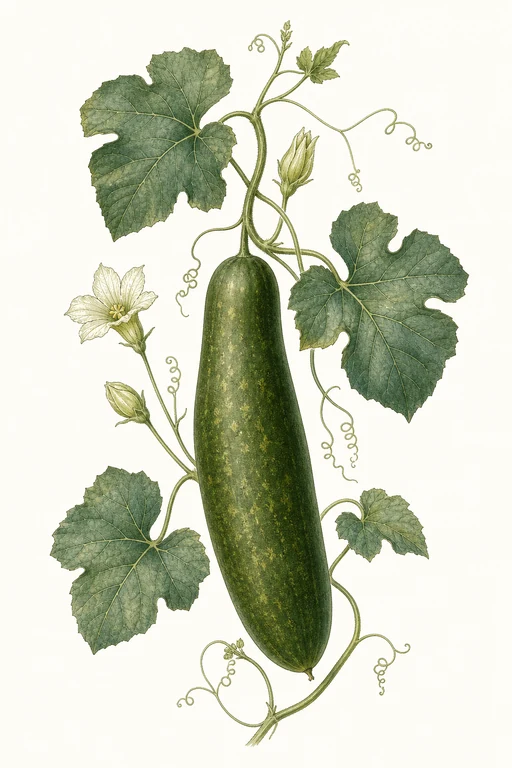
Sink your senses into Maharani’s graceful, long-season beauty—its mature gourds develop a poised, elegant presence with a firm, dry shell that promises lasting character from garden to shelf.
When fully ripe, the surface turns richly colored and subtly patterned, offering a satisfying, sturdy texture that holds its shape beautifully for decorative and practical uses. Grow Maharani for a slow, steady 95-day arc of transformation and a standout harvest that feels as refined as it looks.
Light: Full SunMaturity: 95 DaysHabit: Vine
Planting schedules and alerts are optimized for Columbus (Zone 6b).
Crop Dates
| Milestone | Date |
|---|---|
| Start Indoors | Apr 11th |
| Last Frost | Apr 25th |
| Transplant / Sow Outdoors | Apr 25th |
| Harvest Begins | Jul 29th |
| Harvest Ends | Oct 16th |
Crop Details
| Trait | Value |
|---|---|
| Days to Maturity | 95 |
| Sun Requirements | Full Sun |
| Growth Habit | Vine |
| Support Needed | Trellis |
| Planting Depth | Normal |
| Germination Temp (°F) | 70 |
| Min Soil Temp (°F) | 70 |
| Min Night Temp (°F) | 55 |
| Harden Off (days) | 10 |
Culinary Notes

Chef's Note
Maharani’s ripe gourds are all about structure—firm and dry means you get browning and chew, not collapse. Cook it low and patient (or roast hard with a glaze) so the flavor slides from lightly vegetal into gently sweet, then pair it with creamy fat and heat to round the edges.

Best Uses
- Rösti-style crisp slices or cubes (the dry interior browns instead of steaming)
- Slow-braised chunks in a tomato-butter or coconut-chile base
- Pickles for shelf-stable crunch after brief blanching
- Roasted wedges with a glaze that clings to the drier surface

Flavor Profile

Frequently Asked Questions
What pest or disease problem is most common on Lagenaria siceraria (bottle gourd), and how should I control it?
How often should I water Lagenaria siceraria during the main growing phase?
How can I tell when Lagenaria siceraria is ready to harvest (about 95 days)?
Sowing Tips

Transplant Conditions
Wait until soil reaches 70°F and nights stay above 55°F before moving outdoors. Harden off for 10 days first.

Direct Sow Preferred
Sensitive roots — does not transplant well. If starting indoors, use biodegradable pots and disturb roots as little as possible when moving outdoors.
Expert Note

Warm the soil well and plant after nights stay reliably warm; gourds are sensitive to cold and transplant root disturbance.