
Mammoth Long Island Dill
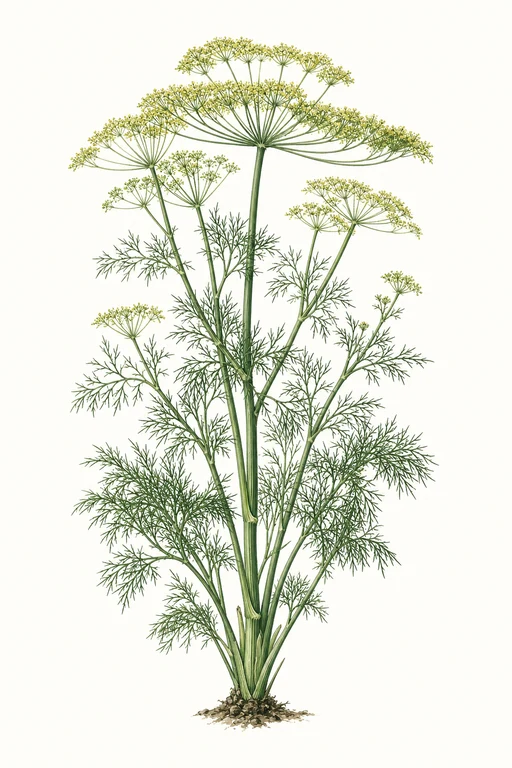
Fragrant as a summer breeze, Mammoth Long Island Dill unfurls feathery, deep-green fronds with a bold, clean aroma that lingers in the air.
Expect long, vigorous stems and abundant foliage with a tender, airy texture—ideal for gathering repeatedly at about 45 days. Grow it for its signature dill character in pickling brines and for fresh flavoring in sauces, dips, and salads, where its bright notes shine most beautifully.
Light: Full SunMaturity: 45 DaysHabit: Upright
Crop Dates : 9a
| Milestone | Date |
|---|---|
| Start Indoors | Direct Sow |
| Last Frost | Mar 6th |
| Transplant / Sow Outdoors | Mar 6th |
| Harvest Begins | Apr 20th |
| Harvest Ends | Nov 26th |
Crop Details
| Trait | Value |
|---|---|
| Days to Maturity | 45 |
| Sun Requirements | Full Sun |
| Growth Habit | Upright |
| Support Needed | None |
| Planting Depth | Normal |
| Germination Temp (°F) | 70 |
| Min Soil Temp (°F) | 60 |
| Min Night Temp (°F) | 35 |
| Harden Off (days) | Not Required |
Culinary Notes

Chef's Note
Mammoth Long Island Dill comes on loud with a crisp, almost citrusy herbal snap, and its tender fronds won’t feel woody once chopped. It’s especially strong in pickling brines and creamy bases, where its aroma stays front-of-tongue instead of getting lost.

Best Uses
- fresh-chopped dill in cucumber pickles and hot brines
- mixing into creamy dips (sour cream, labneh, crème fraîche) for a slick herb hit
- folding into warm potato salads so it stays aromatic instead of chewy
- finishing yogurt-based sauces for grilled fish or chicken

Flavor Profile

Frequently Asked Questions
What pest or disease commonly affects Anethum graveolens (dill), and how do I control it?
How often should I water Mammoth Long Island Dill during peak growth?
How can I tell when Mammoth Long Island Dill is ready to harvest?
Sowing Tips

Transplant Conditions
Wait until soil reaches 60°F and nights stay above 35°F before moving outdoors.
Expert Note

Dill is best direct-sown (it resents root disturbance), and sow successive small plantings every 2–3 weeks for a longer harvest of both fronds and seed heads.