
Mango Melon
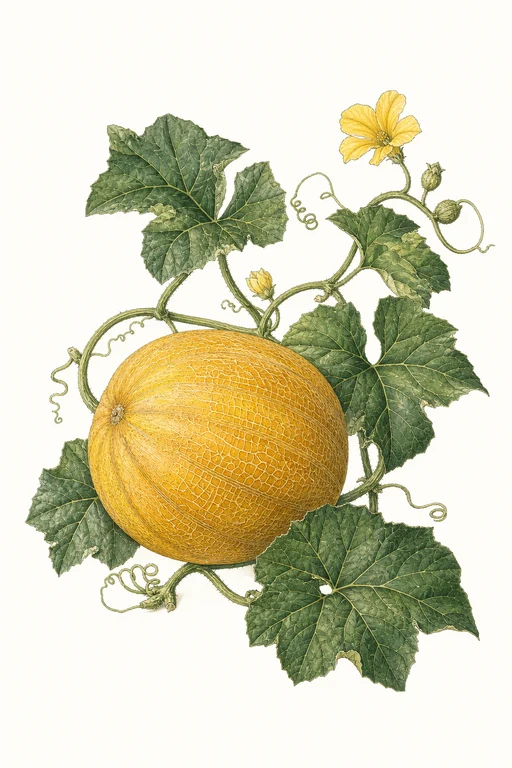
Sun-warmed and honeyed, Mango Melon brings an unmistakable tropical perfume with a lush, juicy sweetness that feels like ripe orchard fruit.
At maturity, the flesh turns richly saturated and tender, with a smooth, succulent texture that shines whether enjoyed straight from the garden or showcased in vibrant fruit preparations. A specialty melon worth the wait—85 days to a fragrant centerpiece for fresh displays and bright, colorful preserves.
Light: Full SunMaturity: 85 DaysHabit: Vine
Planting schedules and alerts are optimized for Columbus (Zone 6b).
Crop Dates
| Milestone | Date |
|---|---|
| Start Indoors | Direct Sow |
| Last Frost | Apr 25th |
| Transplant / Sow Outdoors | May 9th |
| Harvest Begins | Aug 2nd |
| Harvest Ends | Oct 16th |
Crop Details
| Trait | Value |
|---|---|
| Days to Maturity | 85 |
| Sun Requirements | Full Sun |
| Growth Habit | Vine |
| Support Needed | Trellis |
| Planting Depth | Normal |
| Germination Temp (°F) | 75 |
| Min Soil Temp (°F) | 65 |
| Min Night Temp (°F) | 55 |
| Harden Off (days) | 12 |
Culinary Notes

Chef's Note
Mango Melon’s honeyed perfume and juicy tenderness make it feel more like ripe fruit than a “vegetable melon,” so it performs best with minimal meddling—cold, sharp acids, and salty fats. It holds up beautifully to quick heat (just enough char for aroma) without turning watery if you serve immediately.

Best Uses
- chilled cube-and-parma-style fruit course with salt to sharpen the sweetness
- raw scoops for breakfast yogurt or buttermilk with lime
- quick fruit conserva/jam for toast that tastes like summer orchard
- grilled or pan-charred slices served with lime and a drizzle of hot chili honey

Flavor Profile

Frequently Asked Questions
What pest or disease most commonly affects Cucumis melo (mango melon), and how do I manage it?
How often should I water mango melon during the main growing phase?
How can I tell when mango melon is ready to harvest?
Sowing Tips

Transplant Conditions
Wait until soil reaches 65°F and nights stay above 55°F before moving outdoors. Harden off for 12 days first.

Direct Sow Preferred
Sensitive roots — does not transplant well. If starting indoors, use biodegradable pots and disturb roots as little as possible when moving outdoors.
Expert Note

If you want earlier pickling fruit, start seedlings in peat/cowpots and transplant only after soil is warm—minimize root disturbance to avoid stunting.