
Manteigosa
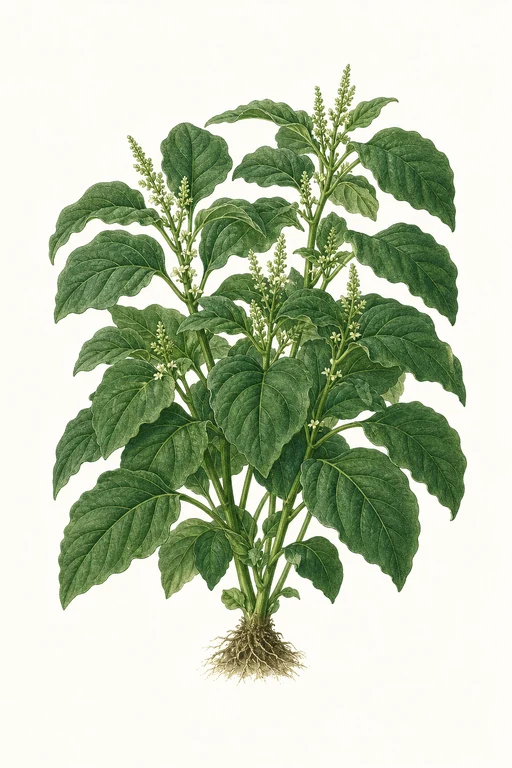
Velvety, deep-green callaloo leaves unfurl with a tender, butter-sweet allure—Manteigosa delivers a lush harvest in just 35 days.
The foliage is notably soft and succulent, with a smooth, slightly succulent bite that holds beautifully for quick braising, stir-fries, and hearty soups. Grow Manteigosa for a steady stream of young leaves that stay flavorful and never turn tough, perfect for vibrant sauces and comforting winter pots.
Light: Full SunMaturity: 35 DaysHabit: Upright
Planting schedules and alerts are optimized for Columbus (Zone 6b).
Crop Dates
| Milestone | Date |
|---|---|
| Start Indoors | Direct Sow |
| Last Frost | Apr 25th |
| Transplant / Sow Outdoors | Apr 25th |
| Harvest Begins | May 30th |
| Harvest Ends | Oct 16th |
Crop Details
| Trait | Value |
|---|---|
| Days to Maturity | 35 |
| Sun Requirements | Full Sun |
| Growth Habit | Upright |
| Support Needed | None |
| Planting Depth | Normal |
| Germination Temp (°F) | 70 |
| Min Soil Temp (°F) | 60 |
| Min Night Temp (°F) | 50 |
| Harden Off (days) | Not Required |
Culinary Notes

Chef's Note
Manteigosa’s tender, succulent leaves turn silky fast, giving you that lush, spoon-coating callaloo texture without needing hours of cooking. I love it paired with coconut or smoked meat and a punch of lime—its mild bitterness cleans up and makes the whole pot taste greener, not dull.

Best Uses
- quick braise with garlic and stock until silky—no long-cook toughness
- stir-fry where the leaves stay plush and glossy
- thick, spoonable callaloo-style soups/stews with coconut or smoked meat
- blended greens sauce (like a blitzed “green velvet”)

Flavor Profile

Frequently Asked Questions
What’s the most common disease/pest issue for Amaranthus cruentus (manteigosa), and how do I control it?
How often should I water Amaranthus cruentus during its main growing phase?
How can I tell when manteigosa (Amaranthus cruentus) is ready to harvest?
Sowing Tips

Transplant Conditions
Wait until soil reaches 60°F and nights stay above 50°F before moving outdoors.
Expert Note

Sow early in warm conditions and keep soil evenly moist until seedlings are established for the tender, buttery steamed texture.