
Matador
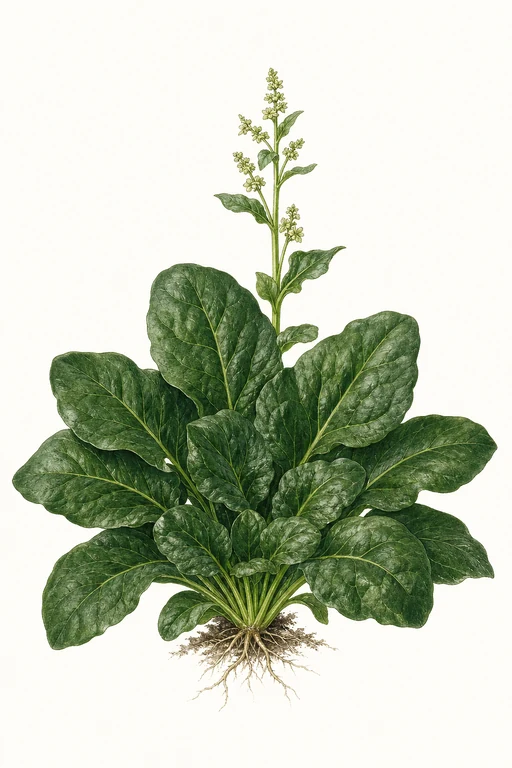
Velvety, flat leaves unfurl with a rich, dark-green sheen and a tender, succulent bite—Matador spinach is prized for its smooth texture and clean, balanced flavor.
Ready in about 40 days, it forms an attractive rosette that stays impressively uniform, making it a favorite for fresh salads, quick sautéing, and silky sauces that showcase its gentle depth.
Light: Part SunMaturity: 40 DaysHabit: Rosette
Location not set yet
Location not set yet
Enter your ZIP for local crop dates
Matador Planting Dates by USDA Zone
Estimated US hardiness-zone windows for sow, transplant, and harvest. Enter a US ZIP above for exact local dates, or open a zone below.
| Zone | Start Indoors | Sow / Transplant | Harvest |
|---|---|---|---|
| Zone 1a | Protected Environment Only | ||
| Zone 1b | May 4th | Jun 1st | Jul 11th – Aug 1st |
| Zone 2a | Apr 27th | May 25th | Jul 4th – Aug 29th |
| Zone 2b | Apr 17th | May 15th | Jun 24th – Aug 25th |
| Zone 3a | Apr 17th | May 15th | Jun 24th – Sep 1st |
| Zone 3b | Apr 21st | May 19th | Jun 28th – Sep 21st |
| Zone 4a | Apr 17th | May 15th | Jun 24th – Sep 24th |
| Zone 4b | Apr 15th | May 13th | Jun 22nd – Sep 27th |
| Zone 5a | Apr 10th | May 8th | Jun 17th – Sep 30th |
| Zone 5b | Apr 6th | May 4th | Jun 13th – Oct 5th |
| Zone 6a | Apr 3rd | May 1st | Jun 10th – Oct 10th |
| Zone 6b | Mar 28th | Apr 25th | Jun 4th – Oct 16th |
| Zone 7a | Mar 23rd | Apr 20th | May 30th – Oct 20th |
| Zone 7b | Mar 13th | Apr 10th | May 20th – Oct 28th |
| Zone 8a | Mar 4th | Apr 1st | May 11th – Nov 5th |
| Zone 8b | Feb 23rd | Mar 23rd | May 2nd – Nov 12th |
| Zone 9a | Feb 6th | Mar 6th | Apr 15th – Nov 26th |
| Zone 9b | Jan 12th | Feb 9th | Mar 21st – Dec 9th |
| Zone 10a | — | Oct 1st | Nov 10th – Feb 28th |
| Zone 10b | — | Oct 1st | Nov 10th – Feb 28th |
| Zone 11a | — | Oct 1st | Nov 10th – Feb 28th |
| Zone 11b | — | Oct 1st | Nov 10th – Feb 28th |
| Zone 12a | — | Oct 1st | Nov 10th – Feb 28th |
| Zone 12b | — | Oct 1st | Nov 10th – Feb 28th |
| Zone 13a | — | Oct 1st | Nov 10th – Feb 28th |
| Zone 13b | — | Oct 1st | Nov 10th – Feb 28th |
Crop Details
| Trait | Value |
|---|---|
| Days to Maturity | 40 |
| Sun Requirements | Part Sun |
| Growth Habit | Rosette |
| Support Needed | None |
| Planting Depth | Normal |
| Germination Temp (°F) | 65 |
| Min Soil Temp (°F) | 45 |
| Min Night Temp (°F) | 30 |
| Harden Off (days) | 6 |
Culinary Notes

Chef's Note
Matador’s flat, velvety leaves give you a smooth collapse in a hot pan without turning ragged, so you can keep the spinach green and silky rather than swampy. The flavor is clean and balanced—built for quick heat, citrus lift, and dairy richness, not heavy, pungent aromatics.

Best Uses
- quick sautés where the leaves collapse fast but stay silky
- silky wilted-spinach folding into warm pasta or rice
- creamy, smooth sauces (blend after quick blanching to keep it green)
- fresh salads—use lighter dressing so the leaves don’t get bruised or watery

Flavor Profile

Kitchen Pairings
Frequently Asked Questions
What pest or disease is most likely to hit spinach (Spinacia oleracea) and how can I prevent it?
How often should I water spinach during the main growing phase, and what soil moisture level does it need?
How do I know when Matador spinach (Spinacia oleracea) is ready to harvest?
Sowing Tips

Transplant Conditions
Wait until soil reaches 45°F and nights stay above 30°F before moving outdoors. Harden off for 6 days first.
Expert Note

Even heat-tolerant spinach grows best with consistent moisture—sow in early spring or during cool spells to avoid bolting.