
Maverick
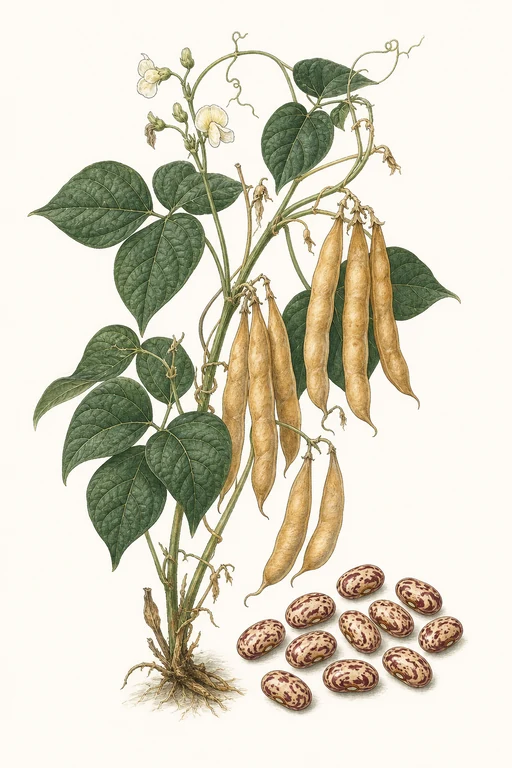
Sink your spoon into Maverick’s creamy, nutty pinto flavor—each bean holds a tender, velvety bite with a beautifully speckled look that stays true from pot to pantry.
As it matures over 110 days, this variety builds a dependable harvest of medium-sized beans with classic warm tan ground and rich rose-brown blotching, ideal for slow-simmered favorites and hearty, satisfying staples. Grow Maverick for a reliable dry-bean crop that rewards with rich aroma, smooth texture, and a comforting, earthy finish.
Light: Full SunMaturity: 110 DaysHabit: Upright
Planting schedules and alerts are optimized for Columbus (Zone 6b).
Crop Dates
| Milestone | Date |
|---|---|
| Start Indoors | Direct Sow |
| Last Frost | Apr 25th |
| Transplant / Sow Outdoors | Apr 25th |
| Harvest Begins | Aug 13th |
| Harvest Ends | Oct 16th |
Crop Details
| Trait | Value |
|---|---|
| Days to Maturity | 110 |
| Sun Requirements | Full Sun |
| Growth Habit | Upright |
| Support Needed | None |
| Planting Depth | Normal |
| Germination Temp (°F) | 70 |
| Min Soil Temp (°F) | 60 |
| Min Night Temp (°F) | 45 |
| Harden Off (days) | Not Required |
Culinary Notes

Chef's Note
Maverick pinto is a dry bean that cooks up creamy without turning mushy, giving you that classic spoon-thick texture from the first simmer to the last bowl. The nutty, earthy profile loves fat and acid—so you can build refritos and chili that feel velvety, not heavy.

Best Uses
- slow-simmered pinto pot—skins stay pleasant, texture stays creamy
- refried beans—starch-forward for easy mashing and thickening
- soups and chili where the beans hold shape without going mealy
- bean-based sides (seasoned and lightly brothy) that spoon well

Flavor Profile

Frequently Asked Questions
What’s the most common problem for Phaseolus vulgaris (pinto beans) and how do I manage it?
How often should I water pinto beans during the main growing phase?
How can I tell when pinto beans (Phaseolus vulgaris) are ready to harvest?
Sowing Tips

Transplant Conditions
Wait until soil reaches 60°F and nights stay above 45°F before moving outdoors.
Expert Note

For uniform maturity and strong stands, sow pinto beans only after soil warms (no cold snaps) and keep moisture consistent until emergence.