
Mighty Joe
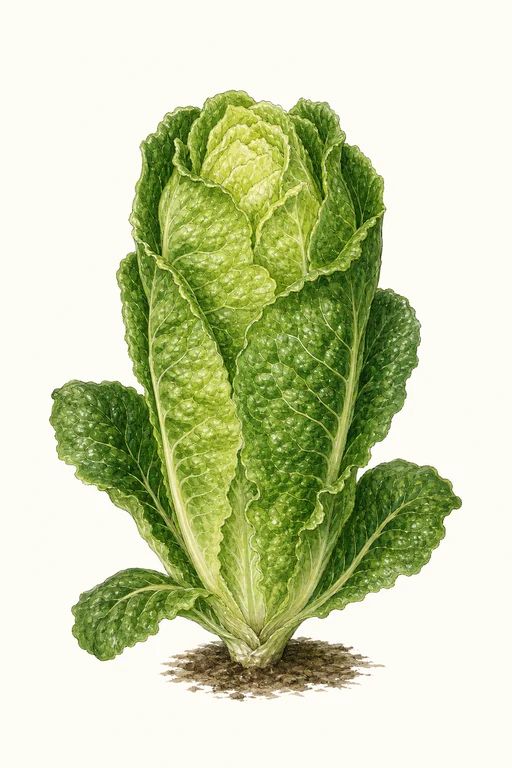
Crisp as morning frost, Mighty Joe forms a tight, upright crisphead with a cool, buttery crunch and a clean, sweet-green flavor.
At maturity it delivers dense, spoon-bright leaves that hold their snap—ideal for refreshing salads and vibrant platters, as well as quick-chill freshness straight from the garden. Grow it for a dependable 65-day rhythm and a satisfying, long-lasting crisp you’ll want to show off at the table.
Light: Part SunMaturity: 65 DaysHabit: Rosette
Crop Dates : 2a
| Milestone | Date |
|---|---|
| Start Indoors | Apr 27th |
| Last Frost | May 25th |
| Transplant / Sow Outdoors | May 18th |
| Harvest Begins | Jul 22nd |
| Harvest Ends | Aug 29th |
Crop Details
| Trait | Value |
|---|---|
| Days to Maturity | 65 |
| Sun Requirements | Part Sun |
| Growth Habit | Rosette |
| Support Needed | None |
| Planting Depth | Normal |
| Germination Temp (°F) | 70 |
| Min Soil Temp (°F) | 40 |
| Min Night Temp (°F) | 35 |
| Harden Off (days) | 6 |
Culinary Notes

Chef's Note
Mighty Joe’s tight crisphead is all about that morning-frost bite—cool, sweet, and stubbornly crunchy even when chilled and portioned. Use it where you’re counting on leaf integrity (wedge cuts, wraps, cold platters) and pair with bright acid-fat to keep the flavor sharp, not weepy.

Best Uses
- iceberg-style salads where you want long-lasting snap
- wedge salads with thick dressing that won’t collapse the leaves
- crunchy lettuce wraps and handhelds (stay crisp, not soggy)
- layering on cold platters for texture contrast

Flavor Profile

Kitchen Pairings
Frequently Asked Questions
What pests or diseases commonly hit Lactuca sativa (leaf lettuce), and what should I do if I see them?
How often should I water Lactuca sativa during the main growing phase?
How can I tell when Lactuca sativa ‘Mighty Joe’ is ready to harvest at about 65 days?
Sowing Tips

Transplant Conditions
Wait until soil reaches 40°F and nights stay above 35°F before moving outdoors. Harden off for 6 days first.
Expert Note

For crisp heads, keep temps cool and avoid transplanting into warm soil—lettuce quality drops quickly when nights warm up.