
Milkmaid
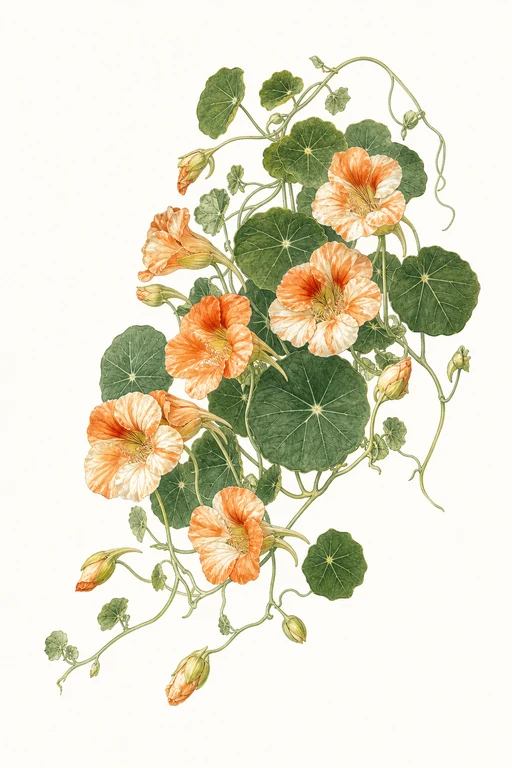
Fragrant, honeyed blossoms open in a riot of warm apricot-orange and buttery cream, each petal edged like a satin ribbon—an instant garden perfume.
Milkmaid nasturtium bears tender, succulent leaves with a gentle, peppery snap and a clean, milky sweetness that shines in fresh bouquets and vibrant garnishes. Grow it for a long season of nonstop color and a lush, trailing habit that drapes beautifully over containers, borders, and trellises.
Light: Full SunMaturity: 50 DaysHabit: Spreading
Location not set yet
Location not set yet
Enter your ZIP for local crop dates
Milkmaid Planting Dates by USDA Zone
Estimated US hardiness-zone windows for sow, transplant, and harvest. Enter a US ZIP above for exact local dates, or open a zone below.
| Zone | Start Indoors | Sow / Transplant | Harvest |
|---|---|---|---|
| Zone 1a | Protected Environment Only | ||
| Zone 1b | Direct Sow | Jun 1st | Jul 21st – Aug 1st |
| Zone 2a | Direct Sow | May 25th | Jul 14th – Aug 29th |
| Zone 2b | Direct Sow | May 15th | Jul 4th – Aug 25th |
| Zone 3a | Direct Sow | May 15th | Jul 4th – Sep 1st |
| Zone 3b | Direct Sow | May 19th | Jul 8th – Sep 21st |
| Zone 4a | Direct Sow | May 15th | Jul 4th – Sep 24th |
| Zone 4b | Direct Sow | May 13th | Jul 2nd – Sep 27th |
| Zone 5a | Direct Sow | May 8th | Jun 27th – Sep 30th |
| Zone 5b | Direct Sow | May 4th | Jun 23rd – Oct 5th |
| Zone 6a | Direct Sow | May 1st | Jun 20th – Oct 10th |
| Zone 6b | Direct Sow | Apr 25th | Jun 14th – Oct 16th |
| Zone 7a | Direct Sow | Apr 20th | Jun 9th – Oct 20th |
| Zone 7b | Direct Sow | Apr 10th | May 30th – Oct 28th |
| Zone 8a | Direct Sow | Apr 1st | May 21st – Nov 5th |
| Zone 8b | Direct Sow | Mar 23rd | May 12th – Nov 12th |
| Zone 9a | Direct Sow | Mar 6th | Apr 25th – Nov 26th |
| Zone 9b | Direct Sow | Feb 9th | Mar 31st – Dec 9th |
| Zone 10a | — | Oct 1st | Nov 20th – Feb 28th |
| Zone 10b | — | Oct 1st | Nov 20th – Feb 28th |
| Zone 11a | — | Oct 1st | Nov 20th – Feb 28th |
| Zone 11b | — | Oct 1st | Nov 20th – Feb 28th |
| Zone 12a | — | Oct 1st | Nov 20th – Feb 28th |
| Zone 12b | — | Oct 1st | Nov 20th – Feb 28th |
| Zone 13a | — | Oct 1st | Nov 20th – Feb 28th |
| Zone 13b | — | Oct 1st | Nov 20th – Feb 28th |
Crop Details
| Trait | Value |
|---|---|
| Days to Maturity | 50 |
| Sun Requirements | Full Sun |
| Growth Habit | Spreading |
| Support Needed | None |
| Planting Depth | Normal |
| Germination Temp (°F) | 70 |
| Min Soil Temp (°F) | 50 |
| Min Night Temp (°F) | 40 |
| Harden Off (days) | 5 |
Culinary Notes

Chef's Note
Milkmaid nasturtium has that honeyed, creamy sweetness up front, then a mild pepper nip that keeps it from going cloying—so it behaves like an edible flower with real bite. Use the blossoms last and cold so their satin texture doesn’t collapse, and they’ll pop visually and on the tongue.

Best Uses
- scatter blossoms over fresh salads and citrus-dressed greens
- use petals as a high-contrast garnish on tacos, grilled fish, or fried chicken
- tuck leaves into herb-forward salads where they’ll stay crisp
- fold into soft cheeses or fresh ricotta for quick, fragrant topping

Flavor Profile

Kitchen Pairings
Frequently Asked Questions
What pest or disease commonly affects Tropaeolum majus (milkmaid/nasturtium), and how can I treat it?
How often should I water Tropaeolum majus during the main growing phase?
How do I know when Tropaeolum majus is ready to harvest?
Sowing Tips

Transplant Conditions
Wait until soil reaches 50°F and nights stay above 40°F before moving outdoors. Harden off for 5 days first.

Direct Sow Preferred
Sensitive roots — does not transplant well. If starting indoors, use biodegradable pots and disturb roots as little as possible when moving outdoors.
Expert Note

For the best creamy blooms and fewer weak stems, sow after the soil warms and avoid excess nitrogen—nasturtiums prefer leaner soil.