
Montcalm
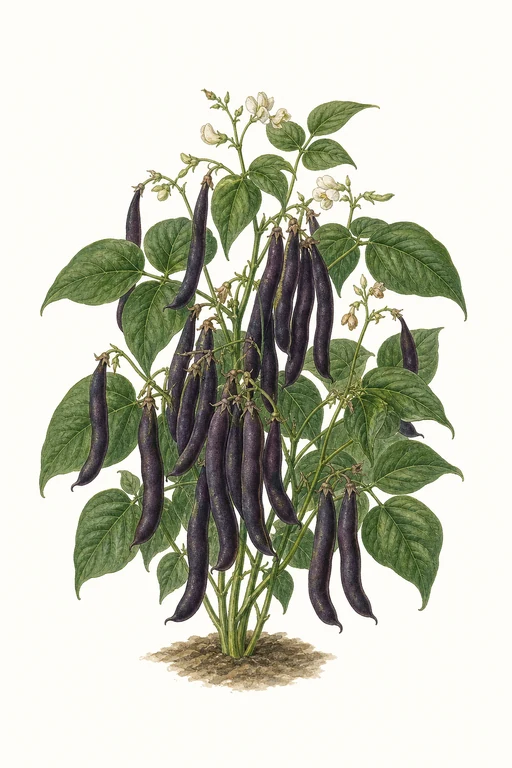
Warm, earthy richness meets a satisfyingly firm bite in Montcalm dry beans—each seed develops with a classic kidney shape and a deep, velvety color that looks as good as it tastes.
Expect a hearty texture that holds its form beautifully for slow-simmered favorites and robust pantry staples, with a mellow, savory flavor that deepens as it cooks. Montcalm is a dependable 90-day grower for gardeners who want dependable yield and beans worth saving season after season.
Light: Full SunMaturity: 90 DaysHabit: Bush
Crop Dates : 3a
| Milestone | Date |
|---|---|
| Start Indoors | Direct Sow |
| Last Frost | May 15th |
| Transplant / Sow Outdoors | May 15th |
| Harvest Begins | Aug 13th |
| Harvest Ends | Sep 1st |
Crop Details
| Trait | Value |
|---|---|
| Days to Maturity | 90 |
| Sun Requirements | Full Sun |
| Growth Habit | Bush |
| Support Needed | None |
| Planting Depth | Normal |
| Germination Temp (°F) | 60 |
| Min Soil Temp (°F) | 60 |
| Min Night Temp (°F) | 50 |
| Harden Off (days) | Not Required |
Culinary Notes

Chef's Note
Montcalm is built for time: its firm, meaty seed structure stays intact in long stews while releasing enough starch to make the pot taste lush. Use it when you want a hearty, velvety broth and a bean that still has something to chew on.

Best Uses
- slow-simmered kidney-style chili with a thick, spoon-coating bean base
- classic baked beans where the beans keep their shape under a long oven cycle
- hearty bean soups/stews that rely on body rather than pureed creaminess
- pantry-friendly cooked beans for tossing into salads once cooled

Flavor Profile

Frequently Asked Questions
What disease or pest commonly affects Phaseolus vulgaris (red kidney beans), and how can I control it at home?
How often should I water Phaseolus vulgaris during its main growing phase to keep soil moisture right?
How can I tell when Montcalm (Phaseolus vulgaris) kidney beans are ready to harvest?
Sowing Tips

Transplant Conditions
Wait until soil reaches 60°F and nights stay above 50°F before moving outdoors.
Expert Note

Direct-sow after soil warms to prevent poor germination, and keep moisture even until seedlings emerge for uniform stands.