
Morris Heading
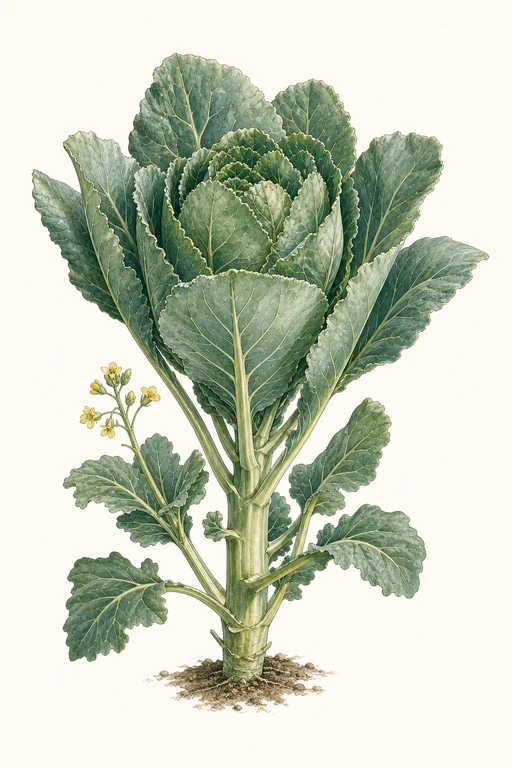
Sink your senses into Morris Heading’s lush, deeply colored foliage—cool blue-green leaves with a crisp, substantial bite that holds its character beautifully.
As the season settles in, it forms a tidy, upright head with broad, gently puckered leaves that feel sturdy in the garden and richly satisfying in the bowl. Morris Heading is a standout for hearty greens preparations, from steaming and sautéing to braises and robust winter-style sauces, and it also shines when lightly pickled for tangy, green-forward flavor.
Light: Full SunMaturity: 65 DaysHabit: Rosette
Planting schedules and alerts are optimized for Columbus (Zone 6b).
Crop Dates
| Milestone | Date |
|---|---|
| Start Indoors | Mar 28th |
| Last Frost | Apr 25th |
| Transplant / Sow Outdoors | Apr 18th |
| Harvest Begins | Jun 22nd |
| Harvest Ends | Oct 16th |
Crop Details
| Trait | Value |
|---|---|
| Days to Maturity | 65 |
| Sun Requirements | Full Sun |
| Growth Habit | Rosette |
| Support Needed | None |
| Planting Depth | Normal |
| Germination Temp (°F) | 45 |
| Min Soil Temp (°F) | 40 |
| Min Night Temp (°F) | 32 |
| Harden Off (days) | 6 |
Culinary Notes

Chef's Note
Morris Heading’s broad, puckered leaves hold their bite longer than flimsy greens, so they don’t collapse into sad mush in a skillet or pot. Treat it like winter brassica armor: cook it low for tenderness or keep it hotter for browned edges, then sharpen with acid to cut through the natural bitterness.

Best Uses
- steam then finish with fat for a crisp-tender texture
- sauté in a hot pan until edges brown and the leaves stay structured
- braise low-and-slow for silky, meal-ready tenderness
- quick pickling for tangy, green-forward crunch

Flavor Profile

Kitchen Pairings
Frequently Asked Questions
What pest or disease problem commonly affects Brassica oleracea (Morris Heading) and how can I manage it?
How often should I water Morris Heading during the main growing phase to keep heads forming well?
How do I tell when Morris Heading (Brassica oleracea) is ready to harvest?
Sowing Tips

Transplant Conditions
Wait until soil reaches 40°F and nights stay above 32°F before moving outdoors. Harden off for 6 days first.
Expert Note

For Morris Heading collards, aim for a cool, steady transplant window—avoid hot spells right after transplant to prevent bolting.