
Munstead
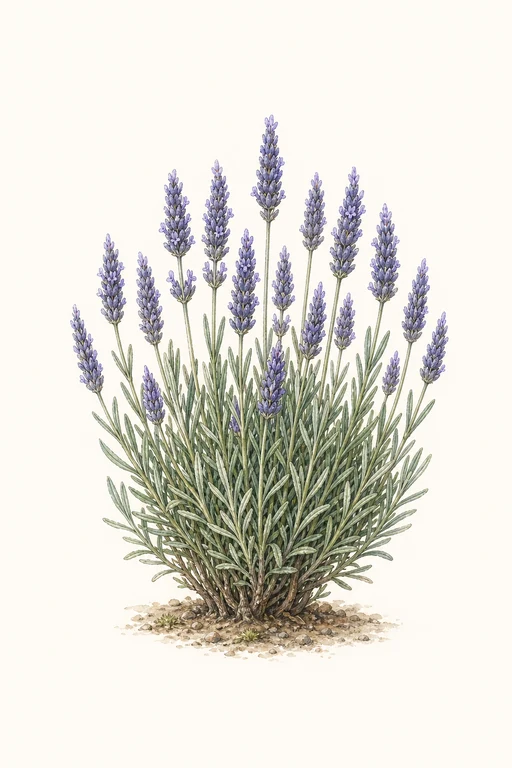
Aromatic as a summer breeze, Munstead Lavender fills the garden with a calm, silvery perfume and produces classic, neatly held flower spikes that feel poised and elegant in the hand.
Expect richly fragrant buds with a fine, dry texture that turns wonderfully aromatic when dried, making Munstead a favorite for sachets and fragrance blends. Grow it for its enduring beauty—an herbaceous mound that looks as refined as it smells, season after season.
Light: Full SunMaturity: 365 DaysHabit: Shrub
Location not set yet
Location not set yet
Enter your ZIP for local crop dates
Munstead Planting Dates by USDA Zone
Estimated US hardiness-zone windows for sow, transplant, and harvest. Enter a US ZIP above for exact local dates, or open a zone below.
| Zone | Start Indoors | Sow / Transplant | Harvest |
|---|---|---|---|
| Zone 1a | Apr 6th | Jun 15th | Jun 15th – Jul 15th |
| Zone 1b | Mar 23rd | Jun 1st | Jun 1st – Aug 1st |
| Zone 2a | Mar 16th | May 25th | May 25th – Aug 29th |
| Zone 2b | Mar 6th | May 15th | May 15th – Aug 25th |
| Zone 3a | Mar 6th | May 15th | May 15th – Sep 1st |
| Zone 3b | Mar 10th | May 19th | May 19th – Sep 21st |
| Zone 4a | Mar 6th | May 15th | May 15th – Sep 24th |
| Zone 4b | Mar 4th | May 13th | May 13th – Sep 27th |
| Zone 5a | Feb 27th | May 8th | May 8th – Sep 30th |
| Zone 5b | Feb 23rd | May 4th | May 4th – Oct 5th |
| Zone 6a | Feb 20th | May 1st | May 1st – Oct 10th |
| Zone 6b | Feb 14th | Apr 25th | Apr 25th – Oct 16th |
| Zone 7a | Feb 9th | Apr 20th | Apr 20th – Oct 20th |
| Zone 7b | Jan 30th | Apr 10th | Apr 10th – Oct 28th |
| Zone 8a | Jan 21st | Apr 1st | Apr 1st – Nov 5th |
| Zone 8b | Jan 12th | Mar 23rd | Mar 23rd – Nov 12th |
| Zone 9a | Dec 26th | Mar 6th | Mar 6th – Nov 26th |
| Zone 9b | Dec 1st | Feb 9th | Feb 9th – Dec 9th |
| Zone 10a | — | Oct 1st | Feb 28th – Feb 28th |
| Zone 10b | — | Oct 1st | Feb 28th – Feb 28th |
| Zone 11a | — | Oct 1st | Feb 28th – Feb 28th |
| Zone 11b | — | Oct 1st | Feb 28th – Feb 28th |
| Zone 12a | — | Oct 1st | Feb 28th – Feb 28th |
| Zone 12b | — | Oct 1st | Feb 28th – Feb 28th |
| Zone 13a | — | Oct 1st | Feb 28th – Feb 28th |
| Zone 13b | — | Oct 1st | Feb 28th – Feb 28th |
Crop Details
| Trait | Value |
|---|---|
| Days to Maturity | 365 |
| Sun Requirements | Full Sun |
| Growth Habit | Shrub |
| Support Needed | None |
| Planting Depth | Normal |
| Germination Temp (°F) | 70 |
| Min Soil Temp (°F) | 50 |
| Min Night Temp (°F) | 35 |
| Harden Off (days) | 10 |
Culinary Notes

Chef's Note
Munstead’s flavor is all about the perfume: the buds come through as a dry, resinous floral that intensifies when cooked or steeped, but can turn soapy if you overdo it. Use it like a spice—infuse gently, then lean on honey, lemon, and cream to round the edges and make it sing.

Best Uses
- dry it and steep for lavender syrup or quick tea
- infuse cream or milk for custard, panna cotta, and gelato
- bake into shortbread, cakes, or honeyed cookies where it can bloom
- season lemonade or sparkling water with a restrained lavender-sugar pinch

Flavor Profile

Kitchen Pairings
Frequently Asked Questions
Why are my Lavandula angustifolia (Munstead) plants developing gray, fuzzy growth or dying back, and what should I do?
How often should I water Lavandula angustifolia during its main growing phase?
How can I tell when Munstead (Lavandula angustifolia) is ready to harvest?
Sowing Tips

Transplant Conditions
Wait until soil reaches 50°F and nights stay above 35°F before moving outdoors. Harden off for 10 days first.
Expert Note

Lavender establishes best when transplanted into lean, well-drained soil in full sun—avoid waterlogged beds and don’t over-fertilize.