
Natchez
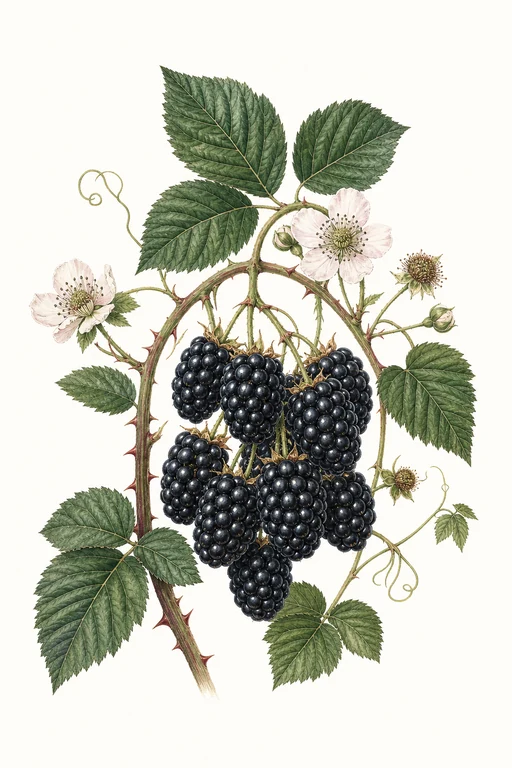
Velvety, inky-black berries of Natchez arrive with a luminous bloom and a sweet-tart perfume that feels almost perfumed in the garden air.
The fruit is notably large and plump, with a tender, juicy texture that holds its character beautifully—ideal for fresh savoring, spooned over yogurt, stirred into sauces, or folded into preserves for a rich, dark color. Vigorous and productive in cool-season conditions, Natchez rewards attentive gardeners with a steady, generous harvest at about 70 days.
Light: Full SunMaturity: 70 DaysHabit: Vine
Planting schedules and alerts are optimized for Columbus (Zone 6b).
Crop Dates
| Milestone | Date |
|---|---|
| Start Indoors | Direct Sow |
| Last Frost | Apr 25th |
| Transplant / Sow Outdoors | Apr 25th |
| Harvest Begins | Jul 4th |
| Harvest Ends | Oct 16th |
Crop Details
| Trait | Value |
|---|---|
| Days to Maturity | 70 |
| Sun Requirements | Full Sun |
| Growth Habit | Vine |
| Support Needed | Trellis |
| Planting Depth | Normal |
| Germination Temp (°F) | 70 |
| Min Soil Temp (°F) | 50 |
| Min Night Temp (°F) | 35 |
| Harden Off (days) | 7 |
Culinary Notes

Chef's Note
Natchez blackberries are all about plush, juicy bite with a perfumed sweet-tart lift that stays bright even when heated. Their big, tender fruit makes them ideal for spoonable fresh use and for quick reductions that turn glossy and inky without collapsing into jammy mush.

Best Uses
- fresh spooning over thick yogurt or crème fraîche
- stir-through sauces for pork, duck, or roasted chicken
- hot-set preserves that lean deep-dark without tasting flat
- folding into no-churn ice cream or quick sorbet for vivid color

Flavor Profile

Kitchen Pairings
Frequently Asked Questions
What is a common disease issue for Rubus fruticosus (blackberry) like Natchez, and how do I control it at home?
How often should I water Natchez blackberry during its main growing phase, and what soil moisture level should I keep?
How can I tell when Natchez blackberry is ready to harvest?
Sowing Tips

Transplant Conditions
Wait until soil reaches 50°F and nights stay above 35°F before moving outdoors. Harden off for 7 days first.
Expert Note

Plant in full sun with well-drained soil and mulch heavily; for trailing types, train canes to a trellis from the start to keep berries off the ground.