
Nature Mulberry Shades
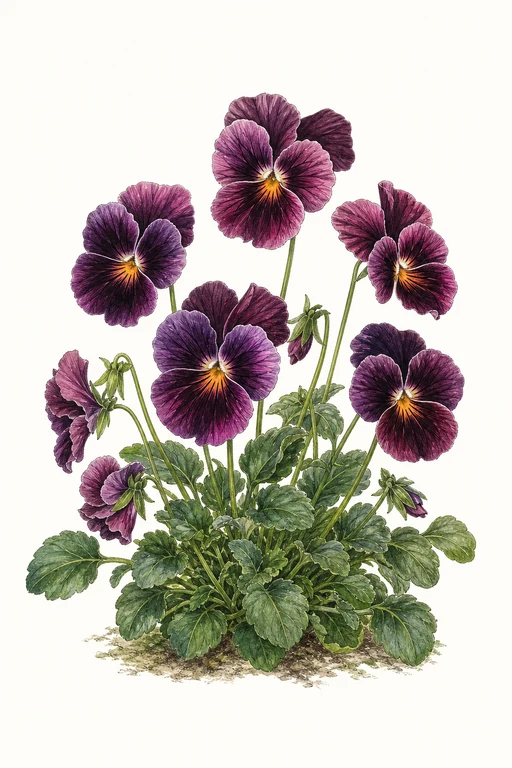
Velvet petals unfurl in a painterly swirl of mulberry, plum, and soft lilac tones, with a luminous center that seems to glow from within.
Nature Mulberry Shades forms compact, tidy clumps of richly textured blooms that hold their color through cool-season weather, making every bed edge feel like a living bouquet. Ideal for edging and massing in garden borders, it shines as a bright, reliable ornamental when you want instant curbside charm from early season through the bloom peak.
Light: Part SunMaturity: 70 DaysHabit: Rosette
Planting schedules and alerts are optimized for Columbus (Zone 6b).
Crop Dates
| Milestone | Date |
|---|---|
| Start Indoors | Feb 14th |
| Last Frost | Apr 25th |
| Transplant / Sow Outdoors | Apr 11th |
| Harvest Begins | Jun 20th |
| Harvest Ends | Oct 16th |
Crop Details
| Trait | Value |
|---|---|
| Days to Maturity | 70 |
| Sun Requirements | Part Sun |
| Growth Habit | Rosette |
| Support Needed | None |
| Planting Depth | Surface |
| Germination Temp (°F) | 70 |
| Min Soil Temp (°F) | 40 |
| Min Night Temp (°F) | 28 |
| Harden Off (days) | 7 |
Culinary Notes

Chef's Note
Because pansy petals bring a sweet-floral note with a slight green edge, this variety is best used fresh—hit the cold plate at the last second so the petals stay intact and luminous.

Best Uses
- scatter as a cool-season edible garnish on fresh salads
- top cheesecake, panna cotta, or yogurt for a jeweled floral effect
- muddle into a lightly sweet syrup or shrub (use sparingly)
- fold into an egg-salad or potato salad for a color pop

Flavor Profile

Kitchen Pairings
Frequently Asked Questions
What pest or disease most commonly affects Viola × wittrockiana (pansy) in home gardens, and how can I manage it?
How often should I water Viola × wittrockiana during its main growing phase, and what soil moisture level should I aim for?
How do I tell when Viola × wittrockiana is ready to harvest (70 days to maturity)?
Sowing Tips

Transplant Conditions
Wait until soil reaches 40°F and nights stay above 28°F before moving outdoors. Harden off for 7 days first.
Expert Note

For pansies, prioritize cool temperatures—aim to transplant so they establish before the hottest weather, and keep soil evenly moist.