
Neos
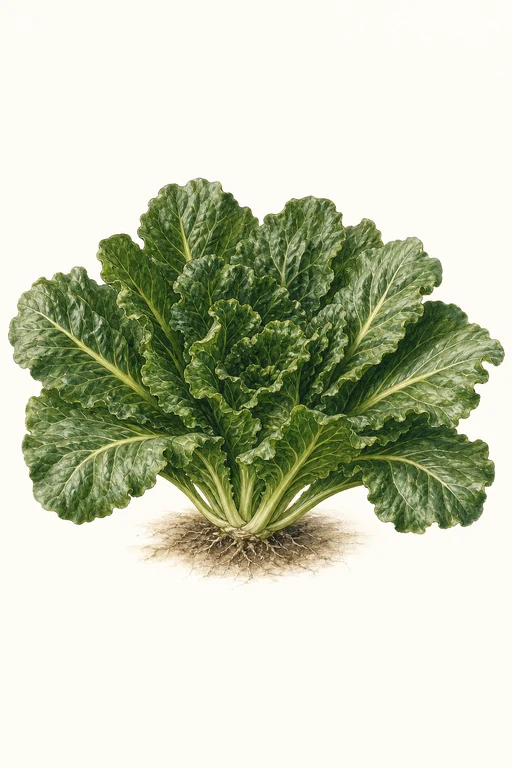
Silky, broad leaves unfurl in a cool, luminous rosette, with a gentle bitterness that turns wonderfully mellow when grown with steady moisture.
Neos endive forms a dense, Batavian-style head of wide, softly crinkled foliage—tender in texture yet richly flavored—ideal for fresh salads and elegant platters, as well as braising and roasting for deeper, caramel-tinged notes. At about 55 days, it’s a satisfying choice for gardeners who want a striking, garden-to-table green with a refined bite.
Light: Part SunMaturity: 55 DaysHabit: Rosette
Planting schedules and alerts are optimized for Columbus (Zone 6b).
Crop Dates
| Milestone | Date |
|---|---|
| Start Indoors | Direct Sow |
| Last Frost | Apr 25th |
| Transplant / Sow Outdoors | Apr 25th |
| Harvest Begins | Jun 19th |
| Harvest Ends | Oct 16th |
Crop Details
| Trait | Value |
|---|---|
| Days to Maturity | 55 |
| Sun Requirements | Part Sun |
| Growth Habit | Rosette |
| Support Needed | None |
| Planting Depth | Surface |
| Germination Temp (°F) | 65 |
| Min Soil Temp (°F) | 40 |
| Min Night Temp (°F) | 35 |
| Harden Off (days) | Not Required |
Culinary Notes

Chef's Note
Neos endive is built for that elegant sweet–bitter tug: its wide, softly crinkled leaves stay tender yet assert a clean, mellowing bitterness. Treat it cold with acid and oil, or warm it in butter so the bitterness slides into caramel notes instead of tasting sharp.

Best Uses
- chilled Batavian-style salads where the leaves hold vinaigrette without collapsing
- roasted/endive-turned-braised wedges for caramel-tinged bitterness
- quick sauté with butter and a splash of lemon to sharpen and round
- plating green with creamy elements for a sweet–bitter contrast

Flavor Profile

Kitchen Pairings
Frequently Asked Questions
What pest or disease commonly affects Cichorium endivia (broad-leaf Batavian types like “Neos”), and how can I control it?
How often should I water Cichorium endivia during the main growing phase to keep it from going bitter or stalling?
How do I tell when Cichorium endivia (55 days to maturity) is ready to harvest?
Sowing Tips

Transplant Conditions
Wait until soil reaches 40°F and nights stay above 35°F before moving outdoors.
Expert Note

For summer-bolt resistance, keep plants evenly moist and sow in partial shade during the hottest weeks.