
New Red Fire
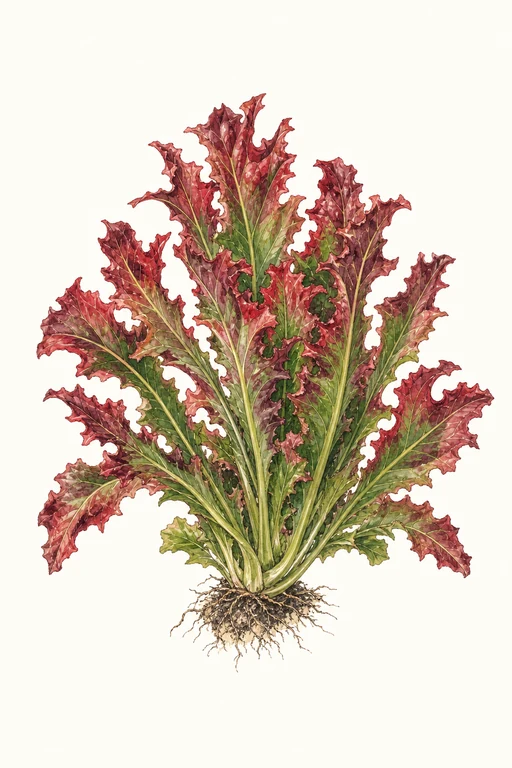
Aromatic and electric in the garden, New Red Fire unfurls loose-leaf heads with a vivid, ember-red blush over crisp, tender green—so lively it feels like heat on the breeze.
The leaves are pleasantly snappy with a bright, peppery edge that lingers, making this warm-season lettuce a standout for bold fresh flavor and vibrant garnishes. Grow it for quick, reliable harvest in about 50 days, and let its fiery color steal the show from spring through summer.
Light: Part SunMaturity: 50 DaysHabit: Rosette
Crop Dates : 9a
| Milestone | Date |
|---|---|
| Start Indoors | Feb 13th |
| Last Frost | Mar 6th |
| Transplant / Sow Outdoors | Mar 6th |
| Harvest Begins | Apr 25th |
| Harvest Ends | Nov 26th |
Crop Details
| Trait | Value |
|---|---|
| Days to Maturity | 50 |
| Sun Requirements | Part Sun |
| Growth Habit | Rosette |
| Support Needed | None |
| Planting Depth | Surface |
| Germination Temp (°F) | 70 |
| Min Soil Temp (°F) | 40 |
| Min Night Temp (°F) | 35 |
| Harden Off (days) | 5 |
Culinary Notes

Chef's Note
New Red Fire is built for heat-forward raw use: its peppery bite and crisp snap hold up in a quick vinaigrette without collapsing into watery bitterness. Use it as the spicy-green punctuation—especially under lime, garlic, and a little sesame heat—so that ember-red color and flavor both show off.

Best Uses
- quick toss salads where it stays crisp under a light vinaigrette
- spicy garnish for tacos, grain bowls, and roast-chicken sandwiches
- cold noodle bowls that need a peppery, crunchy finish
- brief wilted lettuce in a hot stir-fry for peppery greens

Flavor Profile

Frequently Asked Questions
What’s the most common disease problem for Lactuca sativa (lettuce) and how do I treat it?
How often should I water Lactuca sativa during the main growing phase?
How can I tell when New Red Fire lettuce (Lactuca sativa) is ready to harvest?
Sowing Tips

Transplant Conditions
Wait until soil reaches 40°F and nights stay above 35°F before moving outdoors. Harden off for 5 days first.
Expert Note

For tipburn-resistant summer crispness, keep plants consistently watered and aim for cooler weather at transplant time (avoid long hot-stress stretches right after setting out).