
Ngo Gai
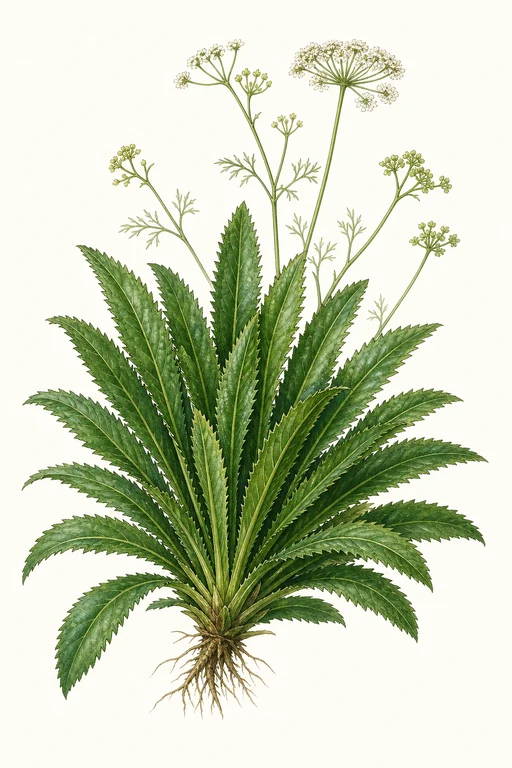
Aromatic and boldly savory, Ngo Gai unfurls with an unmistakable, pungent fragrance that rises from its deep green leaves like fresh-cut perfume.
The foliage is finely serrated and supple—tender enough for quick use yet substantial in the garden, forming dense rosettes that hold their character through harvest. Grow Ngo Gai for its signature culantro flavor in sauces and bright finishing blends, where its intense leafiness shines fresh and dried alike.
Light: Part SunMaturity: 45 DaysHabit: Rosette
Planting schedules and alerts are optimized for Columbus (Zone 6b).
Crop Dates
| Milestone | Date |
|---|---|
| Start Indoors | Apr 11th |
| Last Frost | Apr 25th |
| Transplant / Sow Outdoors | May 9th |
| Harvest Begins | Jun 23rd |
| Harvest Ends | Oct 16th |
Crop Details
| Trait | Value |
|---|---|
| Days to Maturity | 45 |
| Sun Requirements | Part Sun |
| Growth Habit | Rosette |
| Support Needed | None |
| Planting Depth | Normal |
| Germination Temp (°F) | 75 |
| Min Soil Temp (°F) | 60 |
| Min Night Temp (°F) | 50 |
| Harden Off (days) | 7 |
Culinary Notes

Chef's Note
Ngo Gai brings a sharper, more aggressive leaf-to-aroma ratio than many “herbs that masquerade as cilantro.” Use it fresh for that perfumed punch, or blend it into warm sauces so the flavors go from leafy sharp to savory and cohesive.

Best Uses
- blended into mojo/salsa-type sauces for a loud, fresh-cilantro-adjacent funk
- finely chopped as a bright finishing herb for soups, rice, and grilled proteins
- mixed into marinades where its intensity can stand up to heat
- dried and crumbled for a seasoning-style herbal punch

Flavor Profile

Frequently Asked Questions
What pests or diseases commonly hit Eryngium foetidum (ngo gai), and how do I control them?
How often should I water ngo gai during the main growing phase, and what soil moisture level should I aim for?
How can I tell when Eryngium foetidum is ready to harvest?
Sowing Tips

Transplant Conditions
Wait until soil reaches 60°F and nights stay above 50°F before moving outdoors. Harden off for 7 days first.
Expert Note

Ngo gai (sawtooth culantro) does best with warmth and steady moisture—grow it in part sun for the best leaf quality and strongest flavor.