
Norland
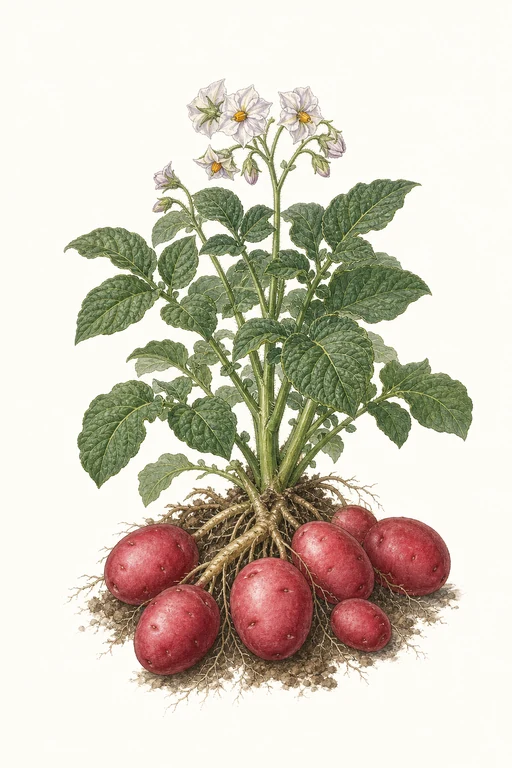
Norland Red potatoes arrive with a velvety, thin red skin and a creamy, golden interior that feels luxuriously smooth when you bite in.
Their flavor is rich and balanced—earthy-sweet with a gentle, buttery finish—making them a favorite for everyday table favorites. Grow Norland for dependable 65-day performance and a harvest of uniform, red-skinned tubers that shine in roasted wedges, pan-seared slices, and hearty mashes or soups.
Light: Full SunMaturity: 65 DaysHabit: Tuberous
Location not set yet
Location not set yet
Enter your ZIP for local crop dates
Norland Planting Dates by USDA Zone
Estimated US hardiness-zone windows for sow, transplant, and harvest. Enter a US ZIP above for exact local dates, or open a zone below.
| Zone | Start Indoors | Sow / Transplant | Harvest |
|---|---|---|---|
| Zone 1a | Protected Environment Only | ||
| Zone 1b | Protected Environment Only | ||
| Zone 2a | Direct Sow | May 25th | Jul 29th – Aug 29th |
| Zone 2b | Direct Sow | May 15th | Jul 19th – Aug 25th |
| Zone 3a | Direct Sow | May 15th | Jul 19th – Sep 1st |
| Zone 3b | Direct Sow | May 19th | Jul 23rd – Sep 21st |
| Zone 4a | Direct Sow | May 15th | Jul 19th – Sep 24th |
| Zone 4b | Direct Sow | May 13th | Jul 17th – Sep 27th |
| Zone 5a | Direct Sow | May 8th | Jul 12th – Sep 30th |
| Zone 5b | Direct Sow | May 4th | Jul 8th – Oct 5th |
| Zone 6a | Direct Sow | May 1st | Jul 5th – Oct 10th |
| Zone 6b | Direct Sow | Apr 25th | Jun 29th – Oct 16th |
| Zone 7a | Direct Sow | Apr 20th | Jun 24th – Oct 20th |
| Zone 7b | Direct Sow | Apr 10th | Jun 14th – Oct 28th |
| Zone 8a | Direct Sow | Apr 1st | Jun 5th – Nov 5th |
| Zone 8b | Direct Sow | Mar 23rd | May 27th – Nov 12th |
| Zone 9a | Direct Sow | Mar 6th | May 10th – Nov 26th |
| Zone 9b | Direct Sow | Feb 9th | Apr 15th – Dec 9th |
| Zone 10a | Continuous Production | ||
| Zone 10b | Continuous Production | ||
| Zone 11a | Continuous Production | ||
| Zone 11b | Continuous Production | ||
| Zone 12a | Continuous Production | ||
| Zone 12b | Continuous Production | ||
| Zone 13a | Continuous Production | ||
| Zone 13b | Continuous Production | ||
Crop Details
| Trait | Value |
|---|---|
| Days to Maturity | 65 |
| Sun Requirements | Full Sun |
| Growth Habit | Tuberous |
| Support Needed | None |
| Planting Depth | Normal |
| Germination Temp (°F) | 50 |
| Min Soil Temp (°F) | 45 |
| Min Night Temp (°F) | 35 |
| Harden Off (days) | Not Required |
Culinary Notes

Chef's Note
Norland’s thin red skin and creamy, golden flesh make it a workhorse: it browns fast and stays tender, so it doesn’t need a lot of fuss to taste rich. Choose it for hot, high-contact cooking—roasting and searing—where that velvety interior turns almost custardy.

Best Uses
- roasted wedges that crisp at the edges without turning dry
- pan-seared slices for a golden crust with tender centers
- buttery mashed potatoes that stay silky rather than gluey
- thickening potato soup where they hold their texture

Flavor Profile

Kitchen Pairings
Frequently Asked Questions
What common pest or disease affects Solanum tuberosum (potato) most often, and how can I manage it?
How often should I water Norland potatoes during active tuber growth?
How do I tell when Norland potatoes are ready to harvest?
Sowing Tips

Transplant Conditions
Wait until soil reaches 45°F and nights stay above 35°F before moving outdoors.
Expert Note

For early harvests like this, use chitted seed potatoes and plant as soon as soil is workable and warm enough, then hill promptly as sprouts emerge.