
Northland
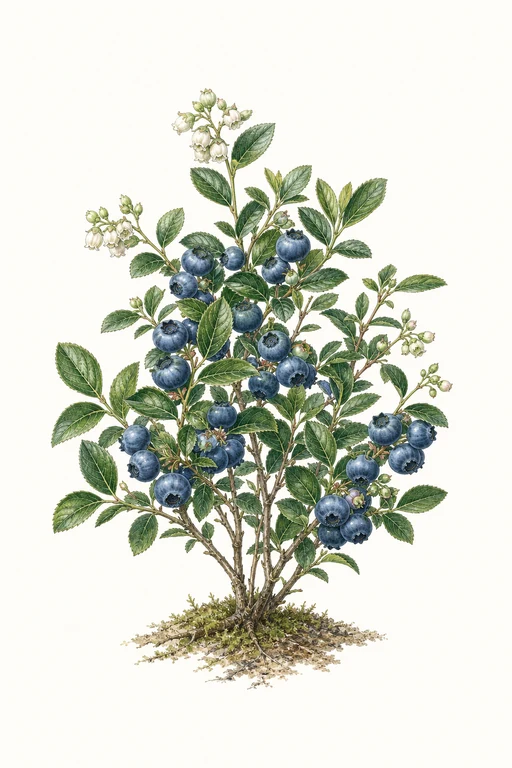
Bursting with a velvet-sweet fragrance, Northland blueberries ripen to a rich, true blue that looks dusted with fine bloom.
The berries are medium-sized and satisfyingly firm, with a refreshing snap that holds beautifully on the bush. Ideal for fresh handfuls and for turning into vivid preserves and sauces, Northland’s compact habit makes it a standout for home gardens where space is precious.
Light: Full SunMaturity: 60 DaysHabit: Shrub
Planting schedules and alerts are optimized for Columbus (Zone 6b).
Crop Dates
| Milestone | Date |
|---|---|
| Start Indoors | Direct Sow |
| Last Frost | Apr 25th |
| Transplant / Sow Outdoors | Apr 25th |
| Harvest Begins | Jun 24th |
| Harvest Ends | Oct 16th |
Crop Details
| Trait | Value |
|---|---|
| Days to Maturity | 60 |
| Sun Requirements | Full Sun |
| Growth Habit | Shrub |
| Support Needed | None |
| Planting Depth | Normal |
| Germination Temp (°F) | 70 |
| Min Soil Temp (°F) | 40 |
| Min Night Temp (°F) | 28 |
| Harden Off (days) | Not Required |
Culinary Notes

Chef's Note
Northland’s medium berries are built to hold a satisfying snap—great when you want whole fruit, not stewed confetti. Use them in preserves or fast reductions where their skins stay intact and the flavor reads bright and perfumed, especially with lemon and vanilla.

Best Uses
- fresh snacking and cereal topping where the berries keep their shape
- quick stovetop sauce that glosses over yogurt without thinning to syrup
- high-heat jam/preserve that benefits from firm skins and active pectin
- baking fillings (tarts, buckles) where you want structure, not mush

Flavor Profile

Kitchen Pairings
Frequently Asked Questions
What’s the most common disease problem for Vaccinium corymbosum (Northland blueberry), and how do I control it at home?
How often should I water Northland blueberry during the main growing period, and what soil moisture level should I keep?
How can I tell when Northland blueberry is ready to harvest?
Sowing Tips

Transplant Conditions
Wait until soil reaches 40°F and nights stay above 28°F before moving outdoors.
Expert Note

For cold-hardy northern blueberries like Northland, plant in full sun and keep soil consistently acidic (pH ~4.5–5.5) with an 18–24 inch spacing to support airflow and fruiting.