
Northstar
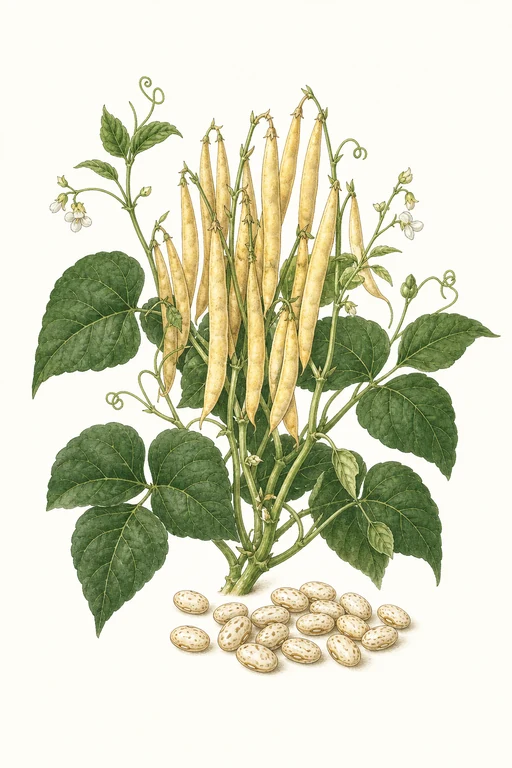
Northstar dry beans arrive with a clean, bright character—aromatic, nutty flavor and a firm, satisfying bite that holds its shape with confidence.
The compact plants mature in about 50 days, producing an even set of pods that dry down neatly for dependable pantry-ready results. Grow Northstar for a harvest that feels polished and dependable, with beans prized for their rich, earthy depth in hearty dry-bean preparations.
Light: Full SunMaturity: 50 DaysHabit: Bush
Planting schedules and alerts are optimized for Columbus (Zone 6b).
Crop Dates
| Milestone | Date |
|---|---|
| Start Indoors | Direct Sow |
| Last Frost | Apr 25th |
| Transplant / Sow Outdoors | Apr 25th |
| Harvest Begins | Jun 14th |
| Harvest Ends | Oct 16th |
Crop Details
| Trait | Value |
|---|---|
| Days to Maturity | 50 |
| Sun Requirements | Full Sun |
| Growth Habit | Bush |
| Support Needed | None |
| Planting Depth | Normal |
| Germination Temp (°F) | 60 |
| Min Soil Temp (°F) | 55 |
| Min Night Temp (°F) | 40 |
| Harden Off (days) | Not Required |
Culinary Notes

Chef's Note
Northstar’s nutty, aromatic earthiness and stubbornly firm bite make it ideal for slow simmering where you want beans to stay intact—think spoonable, not collapsing. It also fares beautifully in acidic preparations (tomato or vinegar) because the flavor reads bright instead of flat while the texture stays confident.

Best Uses
- classic slow simmer for creamy-but-not-mushy dry beans
- smoky bean pot with tomatoes and onion
- purees/dips where the bite stays pleasant (not paste-y)
- cold bean salad that holds a tangy vinaigrette

Flavor Profile

Frequently Asked Questions
What pest or disease issue commonly affects Phaseolus vulgaris (green beans) like Northstar, and how can I control it?
How often should I water Northstar (Phaseolus vulgaris) during its main growing phase?
How do I know when Northstar (Phaseolus vulgaris) is ready to harvest?
Sowing Tips

Transplant Conditions
Wait until soil reaches 55°F and nights stay above 40°F before moving outdoors.
Expert Note

Direct-sow dry beans only after soil warms—keeping them too cold delays germination and increases rot risk.