
Numero 5
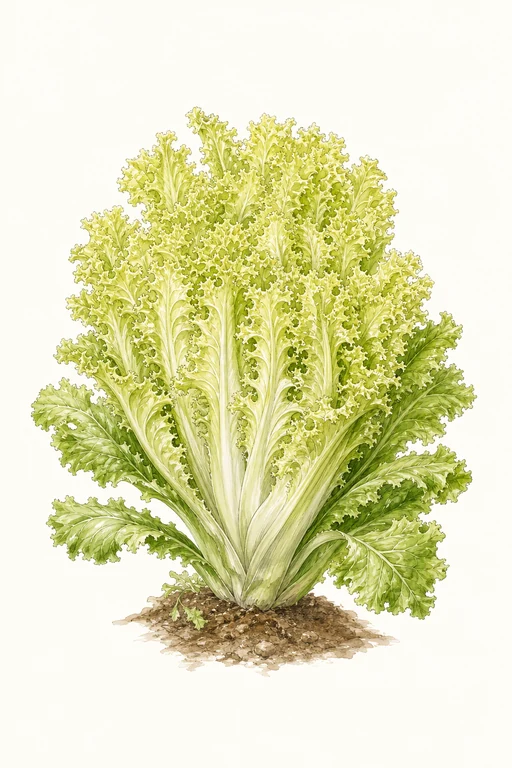
Silky, deeply ruffled leaves unfurl in a cool, elegant rosette—Numero 5 brings a crisp, tender bite with a pleasantly mellow edge and a clean, refreshing finish.
The texture is finely crinkled and satiny, holding its shape beautifully whether you’re enjoying it straight from the garden or turning it into a bright, leaf-forward centerpiece. With about 75 days to maturity, this endive is a reliable choice for home gardeners seeking refined flavor and showy form in every harvest.
Light: Part SunMaturity: 75 DaysHabit: Rosette
Planting schedules and alerts are optimized for Columbus (Zone 6b).
Crop Dates
| Milestone | Date |
|---|---|
| Start Indoors | Mar 28th |
| Last Frost | Apr 25th |
| Transplant / Sow Outdoors | Apr 18th |
| Harvest Begins | Jul 2nd |
| Harvest Ends | Oct 16th |
Crop Details
| Trait | Value |
|---|---|
| Days to Maturity | 75 |
| Sun Requirements | Part Sun |
| Growth Habit | Rosette |
| Support Needed | None |
| Planting Depth | Normal |
| Germination Temp (°F) | 70 |
| Min Soil Temp (°F) | 40 |
| Min Night Temp (°F) | 30 |
| Harden Off (days) | 6 |
Culinary Notes

Chef's Note
Numero 5’s finely crinkled, satiny leaves keep their shape—so you get crunch where you expect it, not a watery wilt. Its mellow bitterness begs for bright acid (lemon or vinaigrette) and salty/fatty foils like parmesan, goat cheese, or prosciutto.

Best Uses
- simple shaved or torn rosettes dressed with a sharp vinaigrette
- leaf-forward salads that need structure (hold dressing without collapsing)
- quick sautéing or braising to tame bitterness while keeping some snap
- plating as a chilled bed for creamy or salty toppings

Flavor Profile

Kitchen Pairings
Frequently Asked Questions
Endive (Cichorium endivia) pests/disease: how do I handle aphids or downy mildew?
How often should I water Cichorium endivia during the main growing period?
How can I tell when Cichorium endivia is ready to harvest?
Sowing Tips

Transplant Conditions
Wait until soil reaches 40°F and nights stay above 30°F before moving outdoors. Harden off for 6 days first.
Expert Note

For best full-hearted heads and classic bitterness, keep plants consistently cool and loosely cover/“blanch” the inner leaves once the heart forms in cool weather.