
Olympus
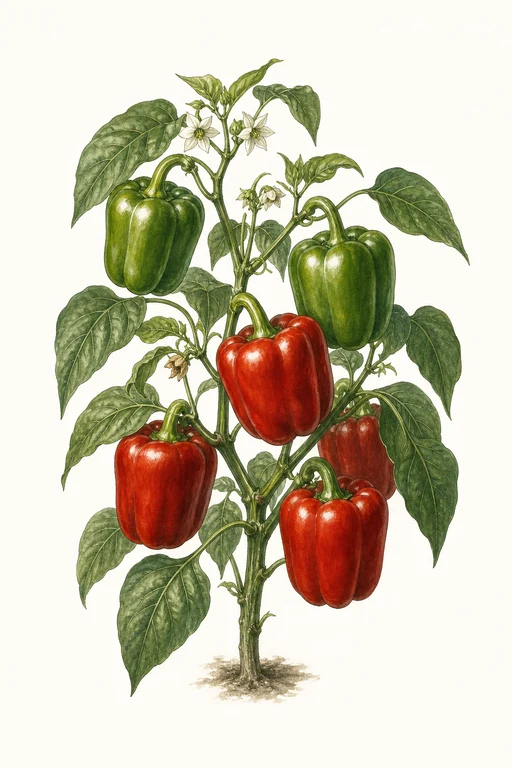
Crisp, lantern-bright sweetness leads the way with Olympus bell pepper—its thick walls and glossy, deep-satin skin catch the light as the fruit ripens.
Expect a satisfying crunch and a clean, mellow flavor that shines in fresh salads and vibrant roasted displays, and holds its shape beautifully for sauces and quick pickles. With about 75 days to maturity, this dependable home-garden performer delivers bold color and substantial bite from plant to harvest.
Light: Full SunMaturity: 75 DaysHabit: Bush
Planting schedules and alerts are optimized for Columbus (Zone 6b).
Crop Dates
| Milestone | Date |
|---|---|
| Start Indoors | Feb 28th |
| Last Frost | Apr 25th |
| Transplant / Sow Outdoors | Jun 20th |
| Harvest Begins | Sep 3rd |
| Harvest Ends | Oct 16th |
Crop Details
| Trait | Value |
|---|---|
| Days to Maturity | 75 |
| Sun Requirements | Full Sun |
| Growth Habit | Bush |
| Support Needed | Stake |
| Planting Depth | Normal |
| Germination Temp (°F) | 80 |
| Min Soil Temp (°F) | 60 |
| Min Night Temp (°F) | 50 |
| Harden Off (days) | 10 |
Culinary Notes

Chef's Note
Olympus bell peppers bring a sweet, mellow wallop with real structural crunch—thick-fleshed enough that it won’t turn limp in heat or weep in a dressed salad. Roast until blistered for caramel-sweet edges, or pickle them fast for a clean snap that tastes bright even out of season.

Best Uses
- raw slices in a salad where the pepper needs to hold bite under vinaigrette
- roasting on high heat for blistered edges without collapsing—great for sheet-pan stacks
- quick pickles where the firm flesh keeps a satisfying, snappy bite
- chunky sauté or stir-fry where the walls provide structure and sweetness

Flavor Profile

Frequently Asked Questions
What are common pest or disease issues for Capsicum annuum (bell/pepper types) and how can I manage them?
How often should I water Capsicum annuum during the main growing phase?
How do I tell when Capsicum annuum is ready to harvest?
Sowing Tips

Transplant Conditions
Wait until soil reaches 60°F and nights stay above 50°F before moving outdoors. Harden off for 10 days first.
Expert Note

Start pepper seeds early indoors, keep them warm through emergence, and transplant only once soil is reliably warm (about 60°F+) to prevent cold-stunting.