
Opera Supreme Pink Morn
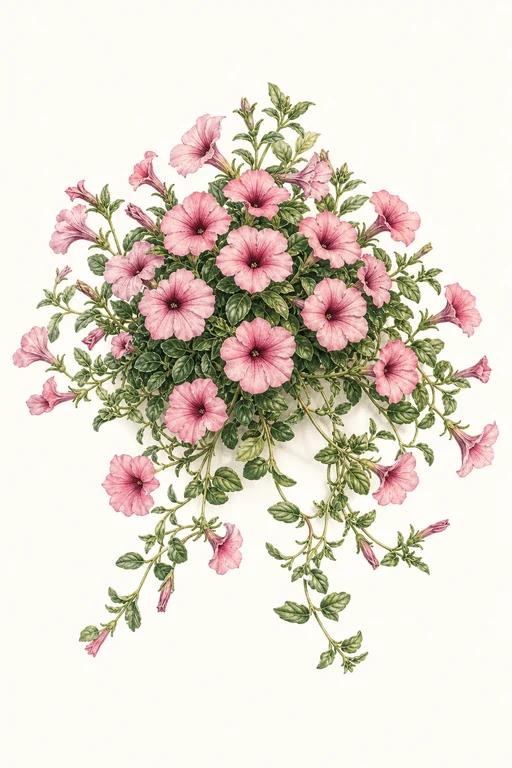
Drenched in a luminous wash of soft pink, Opera Supreme Pink Morn blooms with a velvety, velour-like presence that seems to glow from within.
The trailing, spreading habit forms a cascading tapestry of nonstop flowers with a tidy, mounding base—ideal for containers where you want a living curtain of color. Expect abundant blossoms for fresh garden display, with petals that hold their shape beautifully through warm days and breezy evenings.
Light: Full SunMaturity: 75 DaysHabit: Spreading
Location not set yet
Location not set yet
Enter your ZIP for local crop dates
Opera Supreme Pink Morn Planting Dates by USDA Zone
Estimated US hardiness-zone windows for sow, transplant, and harvest. Enter a US ZIP above for exact local dates, or open a zone below.
| Zone | Start Indoors | Sow / Transplant | Harvest |
|---|---|---|---|
| Zone 1a | Protected Environment Only | ||
| Zone 1b | Protected Environment Only | ||
| Zone 2a | Mar 16th | Jul 20th | Oct 3rd – Aug 29th |
| Zone 2b | Mar 6th | Jul 10th | Sep 23rd – Aug 25th |
| Zone 3a | Mar 6th | Jul 10th | Sep 23rd – Sep 1st |
| Zone 3b | Mar 10th | Jul 14th | Sep 27th – Sep 21st |
| Zone 4a | Mar 6th | Jul 10th | Sep 23rd – Sep 24th |
| Zone 4b | Mar 4th | Jul 8th | Sep 21st – Sep 27th |
| Zone 5a | Feb 27th | Jul 3rd | Sep 16th – Sep 30th |
| Zone 5b | Feb 23rd | Jun 29th | Sep 12th – Oct 5th |
| Zone 6a | Feb 20th | Jun 26th | Sep 9th – Oct 10th |
| Zone 6b | Feb 14th | Jun 20th | Sep 3rd – Oct 16th |
| Zone 7a | Feb 9th | Jun 15th | Aug 29th – Oct 20th |
| Zone 7b | Jan 30th | Jun 5th | Aug 19th – Oct 28th |
| Zone 8a | Jan 21st | May 27th | Aug 10th – Nov 5th |
| Zone 8b | Jan 12th | May 18th | Aug 1st – Nov 12th |
| Zone 9a | Dec 26th | May 1st | Jul 15th – Nov 26th |
| Zone 9b | Dec 1st | Apr 6th | Jun 20th – Dec 9th |
| Zone 10a | Continuous Production | ||
| Zone 10b | Continuous Production | ||
| Zone 11a | Continuous Production | ||
| Zone 11b | Continuous Production | ||
| Zone 12a | Continuous Production | ||
| Zone 12b | Continuous Production | ||
| Zone 13a | Continuous Production | ||
| Zone 13b | Continuous Production | ||
Crop Details
| Trait | Value |
|---|---|
| Days to Maturity | 75 |
| Sun Requirements | Full Sun |
| Growth Habit | Spreading |
| Support Needed | None |
| Planting Depth | Surface |
| Germination Temp (°F) | 70 |
| Min Soil Temp (°F) | 60 |
| Min Night Temp (°F) | 50 |
| Harden Off (days) | 7 |
Culinary Notes

Chef's Note
Even when edible, petunia is a “think garnish, go light” ingredient: its job is perfume and visual lift, not heavy flavor. Treat the petals gently and use them sparingly so they don’t overpower delicate desserts or drinks.

Best Uses
- Use only petals for garnish—sprinkle over plated desserts for a clean, pretty finish
- Layer petals sparingly into tea-infused simple syrups or light gelées for a faint floral note
- Blend very small amounts into buttercream or whipped cream to perfume, keeping quantities low

Flavor Profile

Kitchen Pairings
Frequently Asked Questions
What pest or disease commonly affects Petunia × atkinsiana, and how do I control it?
How often should I water Petunia × atkinsiana during its main growing phase in full sun?
How can I tell when Petunia × atkinsiana is ready to harvest?
Sowing Tips

Transplant Conditions
Wait until soil reaches 60°F and nights stay above 50°F before moving outdoors. Harden off for 7 days first.
Expert Note

Start early under lights, keep soil evenly moist (not soggy), and pinch lightly once to encourage branching before it spills over basket edges.