
Optima
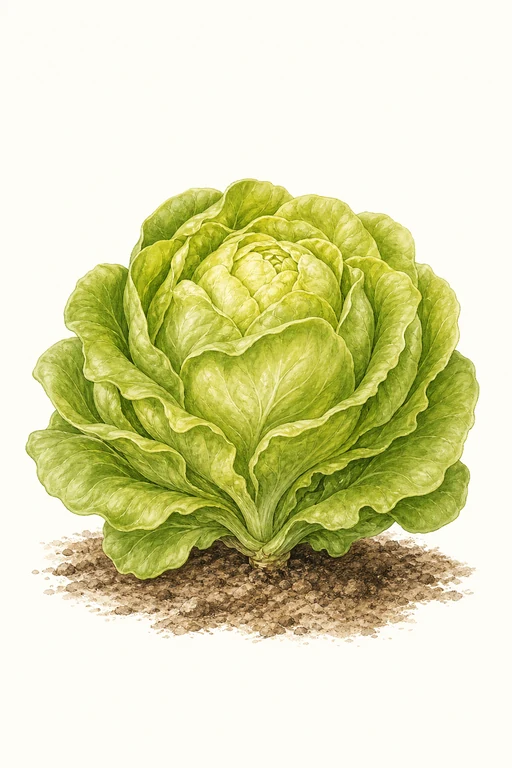
Sink your spoon into Optima’s tender heart: buttery, spoon-soft leaves unfurl in a calm, pale-green rosette with a delicately sweet, clean flavor.
At maturity (about 60 days), it forms a compact butterhead with a plush, velvety texture and crisp yet yielding bite—ideal for fresh salads and elegant platters, as well as quick tosses and light dressings that let its mild character shine.
Light: Part SunMaturity: 60 DaysHabit: Rosette
Location not set yet
Location not set yet
Enter your ZIP for local crop dates
Optima Planting Dates by USDA Zone
Estimated US hardiness-zone windows for sow, transplant, and harvest. Enter a US ZIP above for exact local dates, or open a zone below.
| Zone | Start Indoors | Sow / Transplant | Harvest |
|---|---|---|---|
| Zone 1a | Protected Environment Only | ||
| Zone 1b | May 4th | May 25th | Jul 24th – Aug 1st |
| Zone 2a | Apr 27th | May 18th | Jul 17th – Aug 29th |
| Zone 2b | Apr 17th | May 8th | Jul 7th – Aug 25th |
| Zone 3a | Apr 17th | May 8th | Jul 7th – Sep 1st |
| Zone 3b | Apr 21st | May 12th | Jul 11th – Sep 21st |
| Zone 4a | Apr 17th | May 8th | Jul 7th – Sep 24th |
| Zone 4b | Apr 15th | May 6th | Jul 5th – Sep 27th |
| Zone 5a | Apr 10th | May 1st | Jun 30th – Sep 30th |
| Zone 5b | Apr 6th | Apr 27th | Jun 26th – Oct 5th |
| Zone 6a | Apr 3rd | Apr 24th | Jun 23rd – Oct 10th |
| Zone 6b | Mar 28th | Apr 18th | Jun 17th – Oct 16th |
| Zone 7a | Mar 23rd | Apr 13th | Jun 12th – Oct 20th |
| Zone 7b | Mar 13th | Apr 3rd | Jun 2nd – Oct 28th |
| Zone 8a | Mar 4th | Mar 25th | May 24th – Nov 5th |
| Zone 8b | Feb 23rd | Mar 16th | May 15th – Nov 12th |
| Zone 9a | Feb 6th | Feb 27th | Apr 28th – Nov 26th |
| Zone 9b | Jan 12th | Feb 2nd | Apr 3rd – Dec 9th |
| Zone 10a | Continuous Production | ||
| Zone 10b | Continuous Production | ||
| Zone 11a | Continuous Production | ||
| Zone 11b | Continuous Production | ||
| Zone 12a | Continuous Production | ||
| Zone 12b | Continuous Production | ||
| Zone 13a | Continuous Production | ||
| Zone 13b | Continuous Production | ||
Crop Details
| Trait | Value |
|---|---|
| Days to Maturity | 60 |
| Sun Requirements | Part Sun |
| Growth Habit | Rosette |
| Support Needed | None |
| Planting Depth | Normal |
| Germination Temp (°F) | 70 |
| Min Soil Temp (°F) | 40 |
| Min Night Temp (°F) | 32 |
| Harden Off (days) | 6 |
Culinary Notes

Chef's Note
Optima’s butterhead soul is all about delicate sweetness and that plush, spoonable bite—dress it lightly so it stays crisp-yielding instead of turning watery. Choose bright acid (lemon/vinaigrettes) and creamy or salty partners to make its mild flavor snap on the palate.

Best Uses
- cool, simple butterhead salads where the dressing coats rather than drowns the leaves
- light tosses with a restrained vinaigrette or yogurt herb dressing
- plated lettuce cups for crudo-style toppings (fish, citrusy prawns, or soft cheeses)
- quick wilt-in minutes stir-ins to keep the leaves tender, not cooked to mush

Flavor Profile

Kitchen Pairings
Frequently Asked Questions
Lactuca sativa (lettuce) pest/disease: what if I see slimy spots or gray mold on leaves?
How often should I water Lactuca sativa during the main growing phase (around weeks 3–8)?
How can I tell when Lactuca sativa is ready to harvest at about 60 days?
Sowing Tips

Transplant Conditions
Wait until soil reaches 40°F and nights stay above 32°F before moving outdoors. Harden off for 6 days first.
Expert Note

For best Optima head quality, keep soil evenly moist and avoid heat—use shade/row cover when late-spring temperatures rise.