
Othello
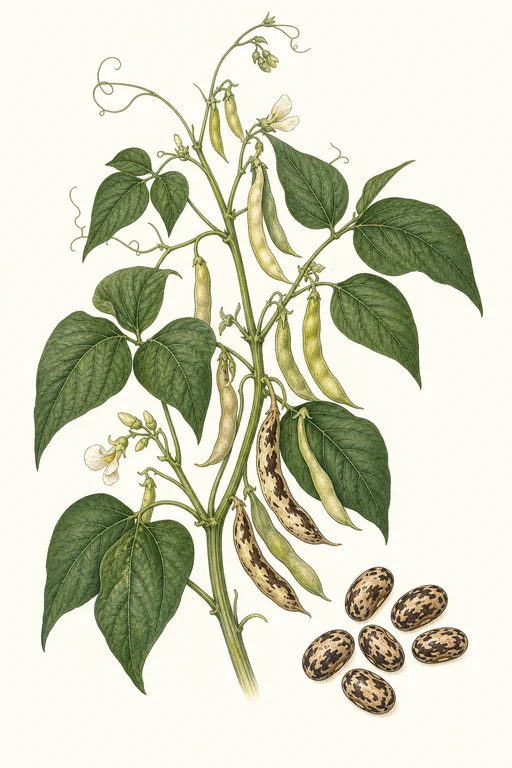
Sink your spoon into Othello’s velvety, creamy interior—each bean unfolds with a gentle, nutty depth and the unmistakable pinto speckle that looks like ink-brushed clouds.
At maturity, the pods hold their contents with a firm, dry snap, promising a satisfying, spoonable texture once rehydrated. Othello is a standout for hearty bean bowls, rich mash-style spreads, and slow-simmered potfuls where its mottled character shines.
Light: Full SunMaturity: 85 DaysHabit: Bush
Planting schedules and alerts are optimized for Columbus (Zone 6b).
Crop Dates
| Milestone | Date |
|---|---|
| Start Indoors | Direct Sow |
| Last Frost | Apr 25th |
| Transplant / Sow Outdoors | Apr 25th |
| Harvest Begins | Jul 19th |
| Harvest Ends | Oct 16th |
Crop Details
| Trait | Value |
|---|---|
| Days to Maturity | 85 |
| Sun Requirements | Full Sun |
| Growth Habit | Bush |
| Support Needed | None |
| Planting Depth | Normal |
| Germination Temp (°F) | 70 |
| Min Soil Temp (°F) | 60 |
| Min Night Temp (°F) | 50 |
| Harden Off (days) | Not Required |
Culinary Notes

Chef's Note
Othello behaves like a velour spoonful: rehydrated and simmered, it breaks down into a creamy body that naturally thickens the pot instead of flooding it. Use it when you want that nutty pinto backbone—especially in slow, hands-off cooks or refried textures where every bite stays cohesive.

Best Uses
- slow-simmered pinto pot where the cooking liquid turns luxuriously thick
- mash-style spreads for toast or tortillas (aim for smooth, slightly rustic texture)
- hearty bean bowls—thick enough to carry toppings without thinning
- refried-bean style skillet work where the beans hold together and don’t get watery

Flavor Profile

Frequently Asked Questions
What pest or disease problem commonly affects Phaseolus vulgaris (Othello pinto beans), and how do I manage it?
How often should I water Othello pinto beans during the main growing phase?
How can I tell when Othello pinto beans are ready to harvest?
Sowing Tips

Transplant Conditions
Wait until soil reaches 60°F and nights stay above 50°F before moving outdoors.
Expert Note

For the earliest harvest, wait until soil is reliably warm, then sow in rows and keep soil evenly moist until plants are established.