
Packman
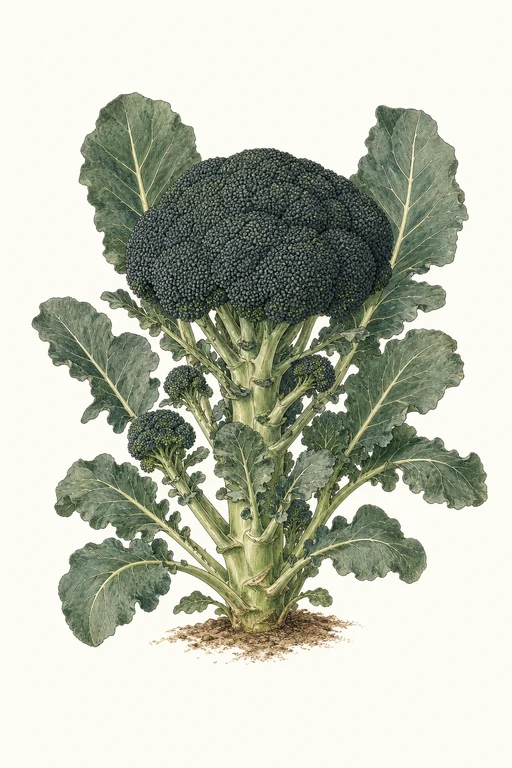
Succulent, blue-green florets crown the center like a jeweled bouquet, with a tight, velvety texture that holds its sweetness from first harvest through the season’s follow-up picks.
Packman broccoli forms a compact, bushy head—dense enough to roast to caramelized edges, yet tender enough for crisp fresh bites and bright, quick sauces. A dependable 58-day performer for home gardens, it delivers a satisfying, garden-to-plate rhythm of flavor and texture.
Light: Full SunMaturity: 58 DaysHabit: Clumping
Planting schedules and alerts are optimized for Columbus (Zone 6b).
Crop Dates
| Milestone | Date |
|---|---|
| Start Indoors | Mar 28th |
| Last Frost | Apr 25th |
| Transplant / Sow Outdoors | Apr 18th |
| Harvest Begins | Jun 15th |
| Harvest Ends | Oct 16th |
Crop Details
| Trait | Value |
|---|---|
| Days to Maturity | 58 |
| Sun Requirements | Full Sun |
| Growth Habit | Clumping |
| Support Needed | None |
| Planting Depth | Normal |
| Germination Temp (°F) | 45 |
| Min Soil Temp (°F) | 45 |
| Min Night Temp (°F) | 30 |
| Harden Off (days) | 6 |
Culinary Notes

Chef's Note
Packman’s compact, dense florets give you that coveted tight bite—sweet before cooking, and then silky-soft without collapsing. It roasts like a little crown of caramelizable candy, and it also purées cleanly for thick, broccoli-forward sauces.

Best Uses
- roast or broil until the ridges bronze and get lightly nutty
- quick-steam and finish with a sharp lemon-butter gloss
- blitz into a smooth, thick purée for pasta sauce or soup base
- toss into cold salads where the florets stay snappy under dressing

Flavor Profile

Kitchen Pairings
Frequently Asked Questions
What’s the most common pest or disease on Brassica oleracea var. italica (Calabrese/“Packman”) and how do I treat it?
How often should I water Brassica oleracea var. italica during the main growing phase?
How can I tell when my Packman (Brassica oleracea var. italica) is ready to harvest?
Sowing Tips

Transplant Conditions
Wait until soil reaches 45°F and nights stay above 30°F before moving outdoors. Harden off for 6 days first.
Expert Note

For the best side-shoot “repeat harvest,” cut heads early (while tight) and keep soil consistently moist after the main head is harvested.