
Pancalieri
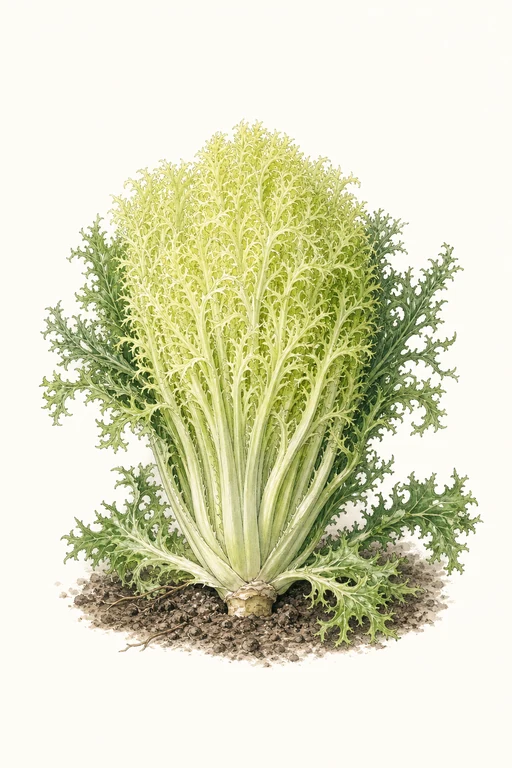
Crisp as spun glass, Pancalieri frisée unfurls into tender, tightly frilled leaves with a bright, lively snap and a pleasantly bittersweet edge that lingers like fine herbs.
Its pale green hearts mellow beautifully while the outer foliage deepens to a deeper, more savory green—ideal for gardeners who love texture as much as flavor. Grow Pancalieri for standout frisée bowls, vibrant garnishes, and bold, leaf-forward salads that showcase its frill and crunch at peak freshness.
Light: Part SunMaturity: 50 DaysHabit: Rosette
Planting schedules and alerts are optimized for Columbus (Zone 6b).
Crop Dates
| Milestone | Date |
|---|---|
| Start Indoors | Direct Sow |
| Last Frost | Apr 25th |
| Transplant / Sow Outdoors | Apr 18th |
| Harvest Begins | Jun 7th |
| Harvest Ends | Oct 16th |
Crop Details
| Trait | Value |
|---|---|
| Days to Maturity | 50 |
| Sun Requirements | Part Sun |
| Growth Habit | Rosette |
| Support Needed | None |
| Planting Depth | Normal |
| Germination Temp (°F) | 70 |
| Min Soil Temp (°F) | 45 |
| Min Night Temp (°F) | 30 |
| Harden Off (days) | 6 |
Culinary Notes

Chef's Note
Pancalieri’s tight frills and bright, fine-herb bitterness make it a contrast engine—dress it with acid and let it stay aggressively crisp. The pale heart sweetness takes the edge off, so it won’t taste harsh even when you go heavy on the vinaigrette.

Best Uses
- raw frisée bowls where it stays crunchy under a sharp vinaigrette
- shaved or torn frisée topped with warm, runny elements (hot bacon fat or warm eggs)
- quick “blink-and-still-crisp” sauté where frills soften but don’t turn leafy-soggy
- garnish work: add texture and bitter contrast to rich roasts, stews, and grain salads

Flavor Profile

Kitchen Pairings
Frequently Asked Questions
What pest or disease commonly affects Cichorium endivia (Pancalieri) and what should I do?
How often should I water Pancalieri during the main growing phase?
How can I tell when Pancalieri is ready to harvest?
Sowing Tips

Transplant Conditions
Wait until soil reaches 45°F and nights stay above 30°F before moving outdoors. Harden off for 6 days first.
Expert Note

For frisée’s best crispness, grow it in cool weather and (if possible) slightly stress near harvest by keeping it evenly moist but not soggy, then harvest before it gets hot.