
Pansy
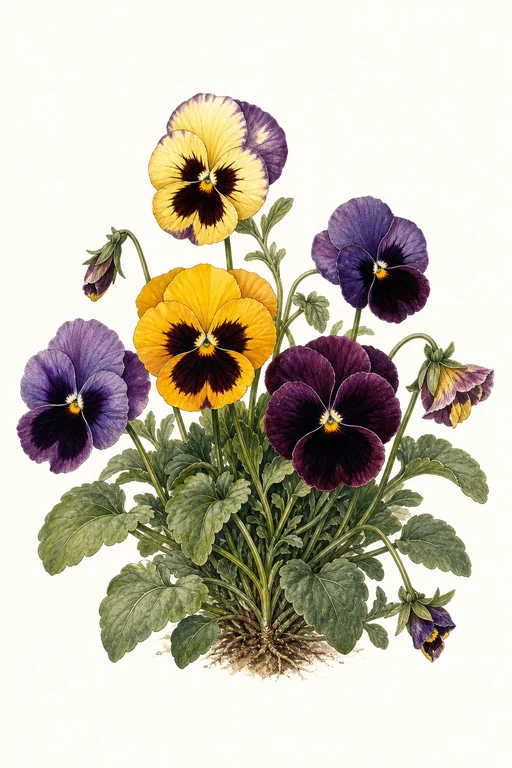
Velvety petals in a riot of jewel tones—pansy “Pansy” blooms open like small, painted faces, with velour-soft texture and a crisp, velvety sheen that catches cool morning light.
The color play is especially striking: bold central markings often flare in warm contrasts against deeper, velvety backgrounds, creating a look that feels both delicate and confident. Ideal for beds, borders, and containers, these florals shine as a long-season ornamental for cool weather gardens, delivering steady color through the season’s chill.
Light: Part SunMaturity: 70 DaysHabit: Rosette
Location not set yet
Location not set yet
Enter your ZIP for local crop dates
Pansy Planting Dates by USDA Zone
Estimated US hardiness-zone windows for sow, transplant, and harvest. Enter a US ZIP above for exact local dates, or open a zone below.
| Zone | Start Indoors | Sow / Transplant | Harvest |
|---|---|---|---|
| Zone 1a | Protected Environment Only | ||
| Zone 1b | Protected Environment Only | ||
| Zone 2a | Mar 16th | May 18th | Jul 27th – Aug 29th |
| Zone 2b | Mar 6th | May 8th | Jul 17th – Aug 25th |
| Zone 3a | Mar 6th | May 8th | Jul 17th – Sep 1st |
| Zone 3b | Mar 10th | May 12th | Jul 21st – Sep 21st |
| Zone 4a | Mar 6th | May 8th | Jul 17th – Sep 24th |
| Zone 4b | Mar 4th | May 6th | Jul 15th – Sep 27th |
| Zone 5a | Feb 27th | May 1st | Jul 10th – Sep 30th |
| Zone 5b | Feb 23rd | Apr 27th | Jul 6th – Oct 5th |
| Zone 6a | Feb 20th | Apr 24th | Jul 3rd – Oct 10th |
| Zone 6b | Feb 14th | Apr 18th | Jun 27th – Oct 16th |
| Zone 7a | Feb 9th | Apr 13th | Jun 22nd – Oct 20th |
| Zone 7b | Jan 30th | Apr 3rd | Jun 12th – Oct 28th |
| Zone 8a | Jan 21st | Mar 25th | Jun 3rd – Nov 5th |
| Zone 8b | Jan 12th | Mar 16th | May 25th – Nov 12th |
| Zone 9a | Dec 26th | Feb 27th | May 8th – Nov 26th |
| Zone 9b | Dec 1st | Feb 2nd | Apr 13th – Dec 9th |
| Zone 10a | — | Oct 1st | Dec 10th – Feb 28th |
| Zone 10b | — | Oct 1st | Dec 10th – Feb 28th |
| Zone 11a | — | Oct 1st | Dec 10th – Feb 28th |
| Zone 11b | — | Oct 1st | Dec 10th – Feb 28th |
| Zone 12a | — | Oct 1st | Dec 10th – Feb 28th |
| Zone 12b | — | Oct 1st | Dec 10th – Feb 28th |
| Zone 13a | — | Oct 1st | Dec 10th – Feb 28th |
| Zone 13b | — | Oct 1st | Dec 10th – Feb 28th |
Crop Details
| Trait | Value |
|---|---|
| Days to Maturity | 70 |
| Sun Requirements | Part Sun |
| Growth Habit | Rosette |
| Support Needed | None |
| Planting Depth | Normal |
| Germination Temp (°F) | 65 |
| Min Soil Temp (°F) | 40 |
| Min Night Temp (°F) | 28 |
| Harden Off (days) | 7 |
Culinary Notes

Chef's Note
Even though they look like candy, pansy petals taste subtle—more perfume and cool sweetness than anything bold. Use them fresh on top (or in a quick steep) so the velvety texture stays intact and the flavor doesn’t get swallowed by heavy sauces.

Best Uses
- freeze-dried or sugared as a jeweled garnish
- tossed into cool salads to catch vinaigrette without turning mushy
- layered on open-faced sandwiches or toast for a “fresh-bright” top note
- steeped briefly for color-forward syrups or light tea infusions

Flavor Profile

Frequently Asked Questions
What pests or diseases commonly affect Viola × wittrockiana (pansy), and how can I prevent them?
How often should I water Viola × wittrockiana during the main growing phase?
How do I tell when Viola × wittrockiana is ready to harvest?
Sowing Tips

Transplant Conditions
Wait until soil reaches 40°F and nights stay above 28°F before moving outdoors. Harden off for 7 days first.
Expert Note

For the steadiest blooms, keep pansies cool (avoid summer heat) and maintain even soil moisture after transplanting.