
Panther
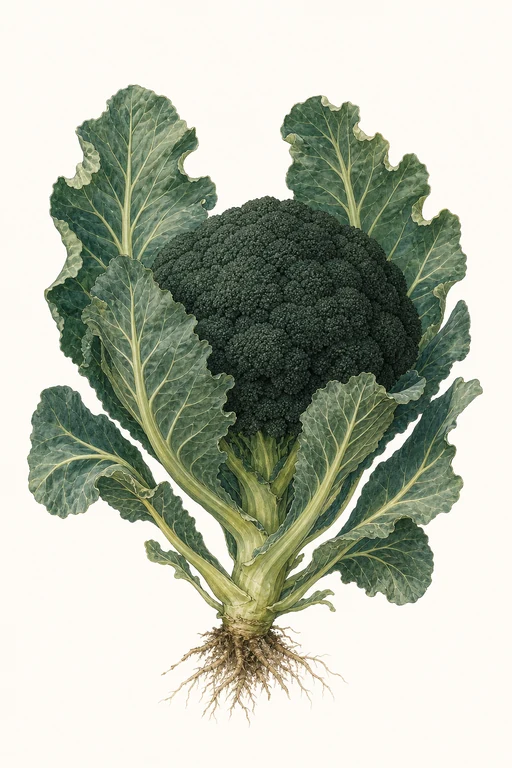
Velvety, slate-to-deep-green curds of Panther emerge with a striking, panther-dark presence—dense, finely grained, and beautifully uniform at maturity.
The flavor is gently sweet and clean, with a tender bite that holds its integrity for standout fresh use and roasting, as well as silky sauces and pickling-style preparations. Grow Panther for a bold, garden-to-plate centerpiece that looks as luxurious as it tastes.
Light: Full SunMaturity: 75 DaysHabit: Rosette
Planting schedules and alerts are optimized for Columbus (Zone 6b).
Crop Dates
| Milestone | Date |
|---|---|
| Start Indoors | Mar 28th |
| Last Frost | Apr 25th |
| Transplant / Sow Outdoors | Apr 18th |
| Harvest Begins | Jul 2nd |
| Harvest Ends | Oct 16th |
Crop Details
| Trait | Value |
|---|---|
| Days to Maturity | 75 |
| Sun Requirements | Full Sun |
| Growth Habit | Rosette |
| Support Needed | None |
| Planting Depth | Normal |
| Germination Temp (°F) | 75 |
| Min Soil Temp (°F) | 40 |
| Min Night Temp (°F) | 32 |
| Harden Off (days) | 6 |
Culinary Notes

Chef's Note
Panther’s dense, finely grained curds hold their structure—so thick roasting gives you caramel edges without turning mushy. The mild sweetness lets it take on sharp accents (citrus, capers, smoky spices) while staying tender enough for puree or silky sauce.

Best Uses
- high-heat roasting as a centerpiece—leave thick steaks so the curds don’t collapse
- quick pickle-style brining to showcase crunch and clean sweetness
- silky cauliflower puree or sauce base, finished with butter/cream for velvet texture
- warm fresh-cut florets with a bright vinaigrette for a snappy, non-watery bite

Flavor Profile

Kitchen Pairings
Frequently Asked Questions
What pest or disease commonly affects Brassica oleracea var. botrytis (self-blanching cauliflower) and what should I do?
How often should I water self-blanching cauliflower during the main growing phase?
How can I tell when Brassica oleracea var. botrytis (Panther self-blanching cauliflower) is ready to harvest?
Sowing Tips

Transplant Conditions
Wait until soil reaches 40°F and nights stay above 32°F before moving outdoors. Harden off for 6 days first.
Expert Note

For summer harvest cauliflower, plan transplants so they mature before peak heat—consistent moisture and fast curd development are key even with self-blanching types.